
Managing PMS Through Diet: Tips for Relief

Overview
Diet can effectively manage Premenstrual Syndrome (PMS) symptoms. Key strategies include incorporating whole foods, balancing blood sugar, increasing magnesium and calcium intake, staying hydrated, including anti-inflammatory foods, and avoiding triggers. These dietary adjustments not only alleviate PMS but also promote overall hormonal and digestive health. Consulting a nutritionist can help personalise a plan for individual needs.
Contents
Premenstrual Syndrome (PMS) affects many women each month, bringing with it a cocktail of physical and emotional symptoms. While there are various ways to alleviate these symptoms, managing PMS through diet can be particularly effective. A well-balanced approach to Nutritional Therapy can not only ease the discomfort of PMS but also contribute to overall Hormonal Health and Digestive Health.
Understanding PMS and Its Symptoms
PMS encompasses a range of symptoms that occur in the luteal phase of the menstrual cycle, typically in the two weeks before menstruation. Common symptoms include:
Physical symptoms such as bloating, breast tenderness, and fatigue.
Emotional symptoms like mood swings, anxiety, and depression.
Cognitive symptoms including difficulty concentrating.
While the exact cause of PMS is not fully understood, it is believed to be linked to hormonal fluctuations and their impact on neurotransmitters in the brain. Diet plays a significant role in managing these symptoms by stabilising blood sugar levels, reducing inflammation, and supporting hormonal balance.
The Role of Diet in Managing PMS
Utilising dietary strategies can help alleviate the symptoms of PMS effectively. Here are some essential dietary tips for women looking to manage PMS through food choices:
1. Incorporate Whole Foods
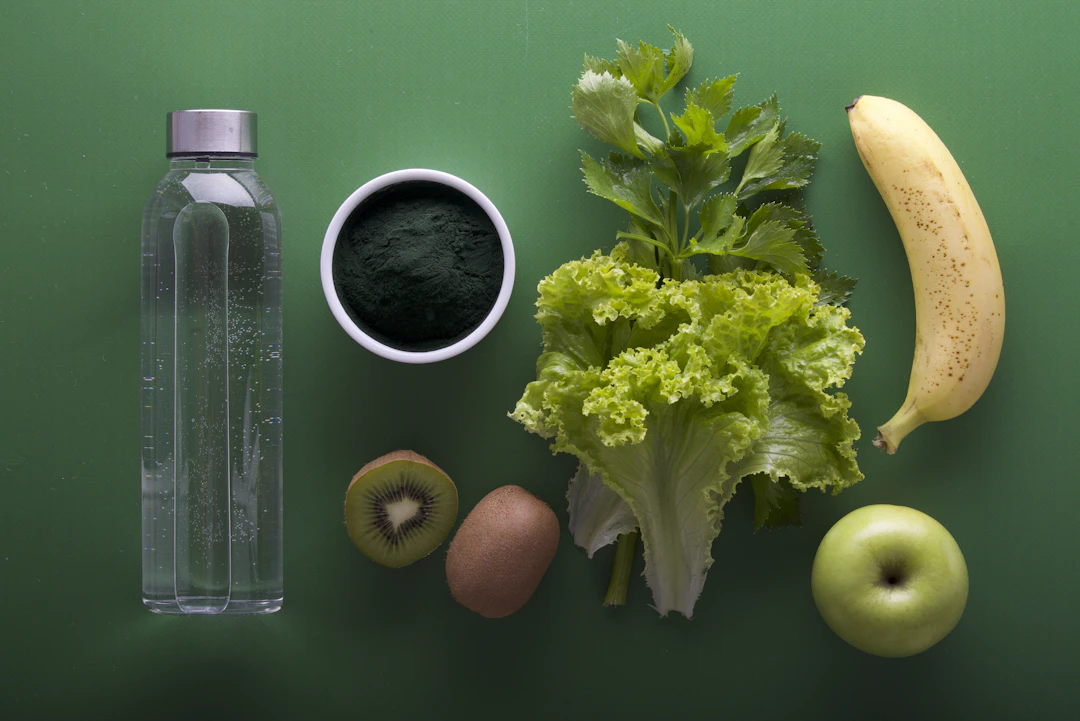
Whole foods provide essential nutrients that the body needs to function effectively, especially during times of hormonal imbalance. Eating a diet rich in:
Fruits and vegetables: Packed with vitamins and minerals, these help reduce inflammation.
Whole grains: Help regulate blood sugar levels and provide lasting energy.
Lean proteins: Essential for hormone production and maintenance of muscle mass.
Healthy fats: Foods rich in omega-3 fatty acids, such as avocados and nuts, can reduce inflammation and hormonal imbalance.
2. Focus on Balanced Blood Sugar Levels
Maintaining steady blood sugar levels can reduce irritability and mood swings associated with PMS. Consider the following:
Eat regular meals and snacks throughout the day.
Pair carbohydrates with proteins or healthy fats for slower digestion.
Avoid excessive sugary snacks and caffeine, which can lead to blood sugar crashes.
3. Increase Magnesium and Calcium Intake
Nutritional therapy can recommend foods rich in magnesium and calcium to combat PMS symptoms. Foods like leafy greens, seeds, and dairy products can help reduce cramps and improve mood.
Magnesium aids in muscle relaxation and helps alleviate cramps. Foods high in magnesium include:
Leafy greens (spinach, kale)
Nuts and seeds (almonds, pumpkin seeds)
Whole grains (quinoa, brown rice)
4. Hydration is Key
Staying hydrated can combat bloating and fatigue. Aim for at least 8-10 glasses of water each day. Herbal teas, particularly ginger and peppermint, can also provide soothing effects during PMS.
5. Consider Anti-Inflammatory Foods
Including anti-inflammatory foods in your diet can help lessen PMS symptoms. Foods to incorporate include:
Fatty fish (salmon, mackerel)
Fruits such as berries, cherries, and apples
Spices like turmeric and ginger
6. Avoid Certain Food Triggers
Many women find that certain foods exacerbate their PMS symptoms. Keeping a food journal can help identify personal triggers. Common culprits include:
Processed foods high in sugar and trans fats
Excessive caffeine
Alcohol
Salty foods that can contribute to bloating
The Connection Between PMS and Digestive Health
Maintaining good digestive health is vital for overall well-being and can significantly influence PMS severity. Consider dietary fibre as a key player:
A diet high in fibre from fruits, vegetables, and whole grains helps regulate digestion.
Incorporates prebiotics (like bananas and garlic) and probiotics (found in yogurt) to support gut health.
For more comprehensive strategies on optimising your digestive health, check out the following helpful guide: Understanding Digestive Health.
Additional Nutritional Considerations for Hormonal Balance
In addition to the aforementioned dietary recommendations, here are a few specific nutrients that are essential for maintaining hormonal balance:
B Vitamins: These play vital roles in energy production and hormone regulation. Sources include eggs, legumes, and whole grains.
Zinc: Crucial for hormonal balance, found in foods like pumpkin seeds, chickpeas, and lean meats.
Omega-3 Fatty Acids: As mentioned, these help reduce inflammation and are found in fatty fish and flaxseeds.
Long-term Benefits and Healthy Ageing
Managing PMS through diet is not just about alleviating symptoms; it's also about fostering healthy ageing. By adopting a nutritious and balanced diet, you pave the way for:
Improved bone density, as calcium and vitamin D are crucial for long-term health.
Better heart health through the reduction of LDL cholesterol and inflammation.
Enhanced mental health, aiding cognitive function and reducing the risk of mood disorders.
For more insights into healthy ageing, explore The Science Of Healthy Ageing.
Finding the Right Path for You
While these dietary tips can help manage PMS symptoms effectively, it's essential to remember that every individual's response to food differs. Consulting a nutritionist who understands the intricacies of nutritional therapy can help personalise a plan that suits your unique needs. Equally, incorporating lifestyle changes such as regular physical activity, relaxation techniques, and adequate sleep can also significantly improve your overall quality of life.
Embracing a diet centred around wholesome, nutrient-dense foods, while being mindful of personal food triggers, can be your ticket to discovering relief from PMS symptoms. By taking an informed approach to nutritional therapy, you can find balance and well-being throughout your menstrual cycle—creating harmony in mind and body.
FAQs
What is Premenstrual Syndrome (PMS)?
Premenstrual Syndrome (PMS) is a condition affecting many women characterised by physical, emotional, and cognitive symptoms that occur in the luteal phase of the menstrual cycle, typically in the two weeks before menstruation.
How can diet help in managing PMS symptoms?
Diet can help manage PMS symptoms by stabilising blood sugar levels, reducing inflammation, and supporting hormonal balance through the inclusion of whole foods, healthy fats, and adequate hydration.
What foods should be included in a diet to alleviate PMS symptoms?
A diet to alleviate PMS symptoms should include whole foods such as fruits, vegetables, whole grains, lean proteins, healthy fats, and foods rich in magnesium and calcium, as well as anti-inflammatory foods like fatty fish and spices.
What foods should be avoided to reduce PMS symptoms?
Foods that should be avoided to reduce PMS symptoms include processed foods high in sugar and trans fats, excessive caffeine, alcohol, and salty foods that can contribute to bloating.
How does digestive health relate to PMS?
Maintaining good digestive health is vital for overall well-being and can significantly influence PMS severity. A diet high in fibre and including prebiotics and probiotics supports gut health, which can help regulate PMS symptoms.

Comments