
Menopause and Nutrition: Foods That Help Ease Symptoms

Overview
Menopause brings hormonal changes that can lead to symptoms like hot flashes and mood swings. Nutrition plays a crucial role in alleviating these symptoms and promoting well-being. Key dietary elements include phytoestrogen-rich foods, healthy fats, fruits and vegetables, whole grains, dairy or alternatives, and proper hydration. A balanced diet, alongside lifestyle changes such as exercise and stress management, can significantly enhance quality of life during this transition.
Contents
Menopause is a natural phase in a woman's life that can come with its challenges. As hormonal changes take centre stage, symptoms such as hot flashes, sleep disturbances, weight gain, and mood swings can occur. However, nutrition can play a vital role in easing these symptoms and promoting overall well-being. In this article, we'll delve into the types of foods that can help alleviate menopausal symptoms, address important aspects of Nutritional Therapy, and explore how you can support your Hormonal Health during this transition. Whether you are approaching menopause or currently experiencing it, adopting a diet rich in specific nutrients can significantly enhance your quality of life.
The Importance of Nutrition During Menopause
A balanced diet is essential during menopause, not just for managing symptoms but also for maintaining long-term health. As hormonal fluctuations affect your body, nutritional choices become crucial in managing not only physical symptoms but emotional and mental health as well. Some women experience weight management issues during this time, which can be partly mitigated by understanding the role of food.
Here are some key nutritional benefits to consider:
Bone Health: As women age, the risk of osteoporosis increases. Nutrients like calcium and vitamin D are essential for maintaining bone strength.
Cardiovascular Health: Hormonal changes can affect heart health, making it important to consume heart-healthy fats and plenty of fibre.
Mood Stability: Certain foods can aid in stabilising mood swings that are often experienced during menopause.
Foods That Help Ease Menopausal Symptoms
1. Phytoestrogen-Rich Foods
Phytoestrogens are plant compounds that can mimic the effects of estrogen in the body, which can help ease hot flashes and other menopausal symptoms. Foods high in phytoestrogens include:
Flaxseeds
Legumes, like chickpeas and lentils
Soy products, such as tofu and tempeh
Whole grains, including barley and oats
2. Healthy Fats
Incorporating healthy fats can help regulate cholesterol levels and improve heart health, which is especially important during menopause. Good sources of healthy fats include:
Avocados
Nuts and seeds
Olive oil
Fatty fish, such as salmon and mackerel
3. Fruits and Vegetables
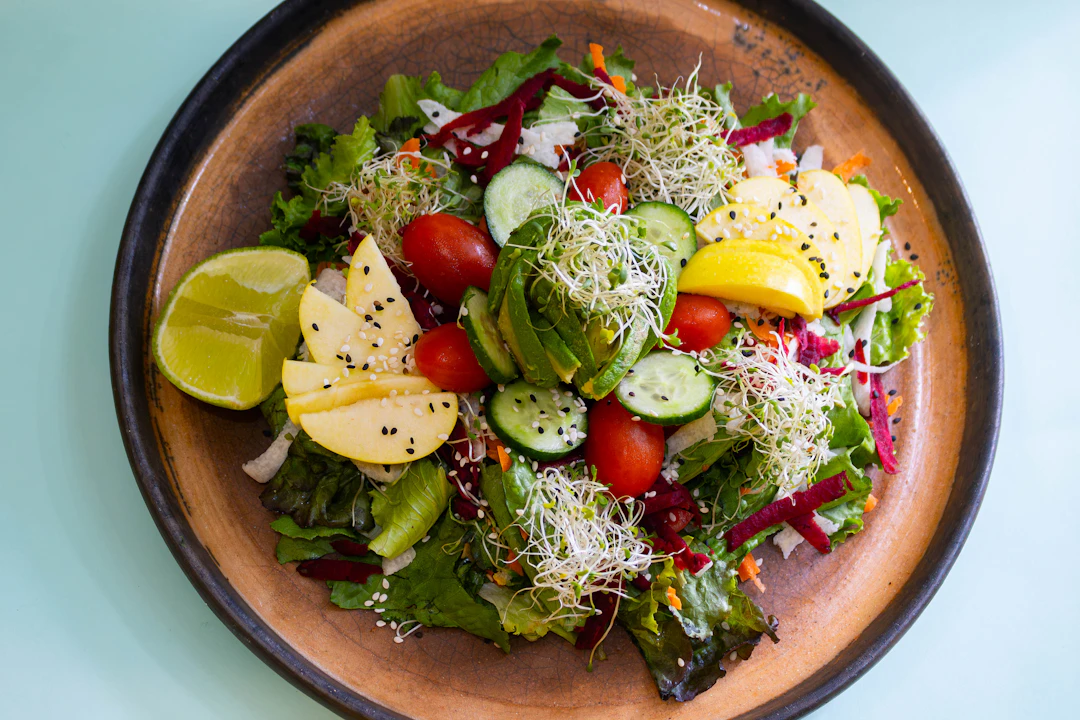
A wide variety of colourful fruits and vegetables can provide antioxidants, crucial for reducing inflammation and supporting overall well-being. The following are particularly beneficial:
Berries, rich in antioxidants
Dark leafy greens, such as spinach and kale
Citrus fruits for vitamin C
Cruciferous vegetables like broccoli and cauliflower
4. Whole Grains
Whole grains are essential for maintaining Digestive Health and can also help manage weight. They provide fibre, which aids in digestion and can help keep you feeling full. Incorporate:
Brown rice
Quinoa
Whole grain bread and pasta
Oats
5. Dairy or Dairy Alternatives
Foods rich in calcium and vitamin D are vital for bone health. If you're lactose intolerant or prefer plant-based options, look for fortified dairy alternatives. Some great choices include:
Greek yoghurt
Low-fat cheese
Fortified plant-based milks, such as almond or soy milk
6. Hydration and Herbal Teas
Staying hydrated is crucial, especially if hot flashes are frequent. Herbal teas can be calming and beneficial. Look for:
Chamomile tea
Green tea, which is rich in antioxidants
Peppermint tea for digestive comfort
Nutritional Therapy for Menopause
Nutritional Therapy is an effective approach for managing the symptoms of menopause. This holistic form of therapy focuses on your entire well-being by highlighting the relationship between nutrition, lifestyle, and health. A customised nutritional plan tailored to your specific needs can significantly enhance your experience during this transitional phase.
For more insights into Nutritional Therapy, you can explore this comprehensive guide. Understanding your unique needs can empower you to make informed food choices that positively impact your health.
The Role of Hormonal Health
As you navigate through menopause, it’s essential to pay attention to your Hormonal Health. Hormones are chemical messengers that play a vital role in regulating many bodily functions. Changes in these hormones during menopause can bring about various symptoms that can be mitigated through mindful dietary approaches.
Foods that support Hormonal Health include:
Cruciferous vegetables, which help metabolise excess estrogen
Omega-3 fatty acids, known for their hormonal balancing properties
Foods high in zinc, such as pumpkin seeds, to support hormonal function
Weight Management During Menopause
Weight gain is a common concern during menopause due to hormonal shifts that decrease metabolism. Addressing this doesn’t necessarily mean following a strict diet but instead focusing on healthy choices and lifestyle changes. Incorporate foods that promote Weight Management:
Losing processed sugars and refined carbohydrates
Focusing on high-fibre foods to keep you satisfied
Engaging in regular exercise, which is also a key component of maintaining a healthy weight
For detailed strategies on how to manage weight effectively without dieting, check out this article.
The Importance of Lifestyle Changes
In addition to dietary changes, adopting a holistic approach that includes regular physical activity, stress management, and enough sleep will enhance your health during menopause. Regular exercise not only helps with weight management but also improves mood and boosts energy levels.
Practices such as yoga or meditation can significantly reduce stress, which in return can positively impact hormonal balance and overall health. Incorporating more relaxation techniques into your daily routine can help ease various symptoms linked to menopause.
Inspired Living Through Nutrition
As you embark on this journey through menopause, remember that what you feed your body can profoundly influence how you feel. Nutrition holds the key to managing symptoms and living your best life during this transition. By focusing on the right foods and incorporating a holistic approach to your well-being, you can navigate menopause with ease and grace. Embrace this phase as an opportunity for healthy ageing, and take control of your nutritional choices today!
For more insights on navigating this journey, delve into this extensive resource on menopause management through nutrition and lifestyle.
FAQs
What is the role of nutrition during menopause?
Nutrition is essential during menopause for managing symptoms and maintaining long-term health. It impacts physical, emotional, and mental well-being, helping to mitigate issues such as weight gain.
Which foods are recommended for easing menopausal symptoms?
Foods rich in phytoestrogens, healthy fats, fruits and vegetables, whole grains, and calcium-rich dairy or dairy alternatives are recommended to ease menopausal symptoms.
How do phytoestrogens assist during menopause?
Phytoestrogens are plant compounds that mimic estrogen in the body, helping to alleviate symptoms like hot flashes.
Why is hydration important during menopause?
Staying hydrated is crucial to help manage hot flashes and promote overall well-being, and herbal teas can provide additional calming effects.
What lifestyle changes can support women's health during menopause?
Incorporating regular physical activity, stress management practices like yoga or meditation, and sufficient sleep can significantly enhance health during menopause.


Comments