
Navigating Perimenopause: Nutritional Strategies for Transition

Overview
Perimenopause is a transitional phase marked by hormonal fluctuations leading to symptoms such as hot flashes and mood swings. Effective management through nutrition is essential for maintaining hormonal health and promoting healthy ageing. Key strategies include incorporating phytoestrogens, prioritising protein, embracing healthy fats, staying hydrated, and focusing on balanced meals. Additionally, monitoring portion sizes, engaging in regular exercise, and managing stress can support weight management and overall wellbeing during this period.
Contents
Perimenopause marks a significant transition in a woman’s life, characterised by hormonal fluctuations that can lead to various symptoms, including hot flashes, mood swings, and changes in weight. Understanding how to manage these changes is vital for maintaining Hormonal Health and achieving Healthy Ageing. Nutrition plays a fundamental role in this journey, and innovative Nutritional Therapy can significantly assist during this transformative phase. In this article, we will explore effective nutritional strategies that can help you navigate perimenopause with confidence.
Understanding Perimenopause and Its Impact
Perimenopause is the transitional phase leading up to menopause, typically beginning in a woman's 40s but varying widely. This period can last several years and involves a gradual decline in oestrogen levels, which affects various aspects of health, including Digestive Health, Weight Management, and overall wellbeing.
Common symptoms experienced during perimenopause include:
Irregular periods
Hot flashes and night sweats
Sleep disturbances
Weight gain, particularly around the abdomen
Emotional changes, such as increased anxiety or mood swings
Each woman’s experience is unique, and the intensity and duration of symptoms vary. However, the right Nutritional Therapy can help manage these changes and promote a smoother transition.
The Role of Nutrition in Perimenopause
Nutrition plays an essential role in alleviating the symptoms of perimenopause. By making informed food choices, you can influence your body’s hormonal balance and improve overall health. Here are several key nutritional strategies that can ease your transition:
1. Include Phytoestrogens in Your Diet
Phytoestrogens are plant compounds that mimic oestrogen in the body. They can help balance hormone levels and alleviate symptoms like hot flashes. Foods rich in phytoestrogens include:
Flaxseeds
Chickpeas
Red clover
Soy products, such as tofu and edamame
Incorporating these foods into your meals can support your body’s Hormonal Health during perimenopause.
2. Prioritise Protein
As the body changes during perimenopause, maintaining muscle mass becomes increasingly vital for Weight Management and overall strength. Consuming adequate protein can also help with satiety, potentially curbing cravings and stabilising blood sugar levels. Aim for a variety of protein sources, including:
Lean meats such as chicken and turkey
Fish, particularly fatty varieties like salmon
Dairy products, such as yogurt and cheese
Vegetarian sources, including lentils, beans, and quinoa
3. Embrace Healthy Fats
Healthy fats play a critical role in hormone production and can help reduce inflammation in the body. Some sources of healthy fats include:
Avocados
Nuts and seeds
Olive oil and coconut oil
Fatty fish
Incorporating these into your meals can improve Digestive Health and support Healthy Ageing.
4. Stay Hydrated
Hydration is crucial during perimenopause. Increased hormonal fluctuations can lead to dehydration, which may exacerbate symptoms such as fatigue and mood swings. Ensure you drink plenty of water throughout the day and consider herbal teas to promote hydration without added caffeine.
Balancing Meals for Optimal Hormonal Health
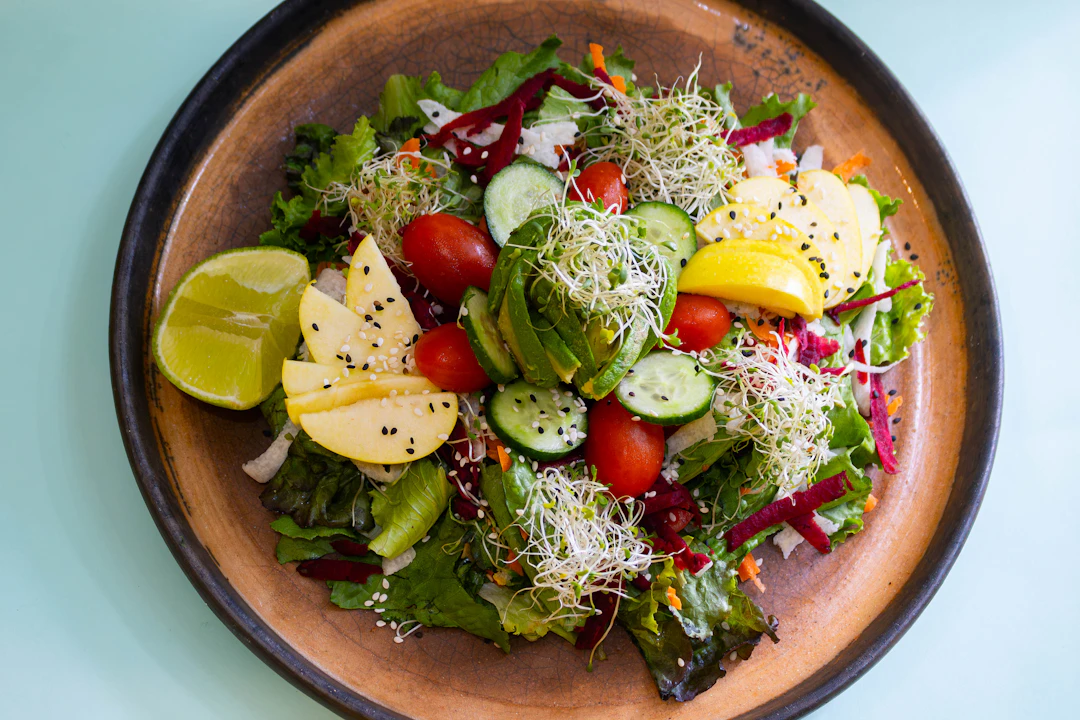
Creating balanced meals can significantly improve nutrient intake and manage symptoms during perimenopause. A well-rounded plate comprises:
50% vegetables and fruits for vitamins, minerals, and fibre
25% whole grains for sustained energy
25% protein for muscle maintenance and hormone balance
By focusing on whole, unprocessed foods, you will enhance your nutritional profile, leading to improved Weight Management and Digestive Health.
Supplements to Consider
While a balanced diet is critical, some supplements may support your nutritional goals during perimenopause:
Calcium and Vitamin D: Essential for bone health, especially as oestrogen levels decline.
B Vitamins: Important for energy levels and mood regulation.
Magnesium: Can help with sleep, muscle relaxation, and reducing anxiety.
Before introducing supplements, it’s advisable to consult with a healthcare professional to ensure they are appropriate for your individual health needs.
Managing Weight During Perimenopause
Weight gain is a common concern for many women during perimenopause. Changes in metabolism and hormonal shifts can make weight management more challenging. Here are practical strategies for maintaining a healthy weight:
1. Monitor Portion Sizes
Understanding portion control can help manage calorie intake without feeling deprived. Use smaller plates to avoid overeating and be mindful of hunger cues.
2. Incorporate Regular Physical Activity
Combining a nutritious diet with regular exercise promotes healthy weight and offers additional benefits for mental wellness. Aim for a mix of:
Aerobic exercise (walking, swimming, or cycling)
Strength training (to build muscle mass)
Flexibility exercises (such as yoga or stretching)
3. Get Adequate Sleep
Lack of sleep can negatively impact hormones that regulate appetite. Prioritising sleep hygiene is essential for Weight Management and overall health. Establish a calming bedtime routine and aim for 7-9 hours of quality sleep each night.
Enhancing Digestive Health
Hormonal changes can also impact Digestive Health. Addressing digestive disturbances can significantly improve your quality of life. Here are some tips for maintaining a healthy gut during perimenopause:
1. Consume Fibre-Rich Foods
Fibre aids digestion and helps prevent constipation, common issues during perimenopause. Incorporate more:
Whole grains like oats and brown rice
Fruits such as apples and berries
Vegetables like broccoli, carrots, and leafy greens
2. Consider Probiotics
Probiotics promote a healthy gut microbiome, which can be beneficial for overall digestion. Incorporate probiotic-rich foods into your diet, including:
Live-cultured yogurt
Kefir
Fermented foods like sauerkraut and kimchi
3. Reduce Processed Foods
Processed foods often contain added sugars and unhealthy fats that can disrupt digestion and negatively impact mood. Focus on whole food options to enhance your digestive health.
Stress Management and Its Nutritional Impact
Perimenopause can increase stress levels due to emotional and physical changes. Managing stress through nutrition is essential. Here’s how to use food to your advantage:
1. Choose Nutrient-Dense Foods
A diet rich in nutrients can help the body cope with stress. Foods high in antioxidants, such as fruits and vegetables, can mitigate oxidative stress.
2. Mindful Eating Practice
Engaging in mindful eating can reduce stress and improve your relationship with food. Focus on savouring your meals without distractions, paying attention to flavours and textures.
3. Incorporate Relaxation Techniques
In addition to nutrition, incorporating relaxation techniques such as meditation, yoga, or deep breathing exercises can further enhance your emotional wellbeing.
Your Supportive Path Forward
Navigating perimenopause can be challenging, but embracing a personalised nutritional approach can empower you to manage symptoms effectively. By focusing on whole foods, balanced meals, and mindfulness, you can support your Hormonal Health, optimise Digestive Health, and foster Healthy Ageing.
Consider integrating insights from Navigating Perimenopause Nutritional Tips or explore further with Hormonal Health 101 for a comprehensive understanding of how nutrition impacts your health during this transition.
Taking steps towards optimal nutrition can make your perimenopausal transition smoother and significantly improve your quality of life. Remember, you’re not alone in this journey, and with the right strategies, you can navigate perimenopause with ease and grace.
FAQs
What is perimenopause and what are its common symptoms?
Perimenopause is the transitional phase leading up to menopause, typically starting in a woman's 40s. Common symptoms include irregular periods, hot flashes, night sweats, sleep disturbances, weight gain, and emotional changes such as anxiety and mood swings.
How can nutrition help during perimenopause?
Nutrition can alleviate perimenopause symptoms by promoting hormonal balance and overall health. Key strategies include incorporating phytoestrogens, prioritising protein intake, embracing healthy fats, and staying hydrated.
What types of foods are beneficial for hormonal health during perimenopause?
Beneficial foods include those rich in phytoestrogens such as flaxseeds, chickpeas, and soy products; protein sources like lean meats, fish, and legumes; and healthy fats found in avocados, nuts, and fatty fish.
What supplements should be considered during perimenopause?
Supplement options may include calcium and vitamin D for bone health, B vitamins for energy and mood regulation, and magnesium for sleep and anxiety relief. Always consult a healthcare professional before starting any supplements.
What strategies can help with weight management during perimenopause?
Practical strategies include monitoring portion sizes, incorporating regular physical activity, and ensuring adequate sleep, as these can all aid in maintaining a healthy weight during perimenopause.

Comments