
Understanding Digestive Health: The Key to Overall Wellbeing

Overview
Digestive health is crucial for overall wellbeing, influencing energy, mood, immunity, and hormonal balance. Key factors for maintaining it include a fibre-rich diet, probiotics, hydration, and anti-inflammatory foods. A healthy digestive system supports hormonal balance and effective weight management, while also playing a role in healthy ageing. Stress management and nutritional therapy can enhance digestive and mental health. Prioritising gut health leads to improved physical, mental, and emotional wellbeing.
Contents
Digestive health plays an essential role in our overall wellbeing, affecting everything from our energy levels to our mood, immunity, and hormonal balance. It is a complex system that deserves our attention and care, particularly in today's fast-paced lifestyle. Here, we explore the intricacies of digestive health, its impact on hormonal health, weight management, and the concept of healthy ageing.
The Importance of Digestive Health
The digestive system is responsible for breaking down food, absorbing nutrients, and eliminating waste. When our digestion functions optimally, we can lead a healthier, happier life. Unfortunately, poor digestive health can lead to a multitude of health issues, including:
Bloating and gas
Constipation and diarrhoea
Fatigue
Mood swings and depression
Unintended weight gain or loss
Understanding the role of nutritional therapy can provide us with tools necessary for enhancing our digestive health. It focuses on selecting the right foods and specific nutritional practices that help in maintaining a well-functioning digestive system.
Nutritional Factors That Impact Digestive Health
What we eat plays a crucial role in our digestive health. Here are several dietary factors to consider for optimal digestion:
1. Fibre-Rich Foods
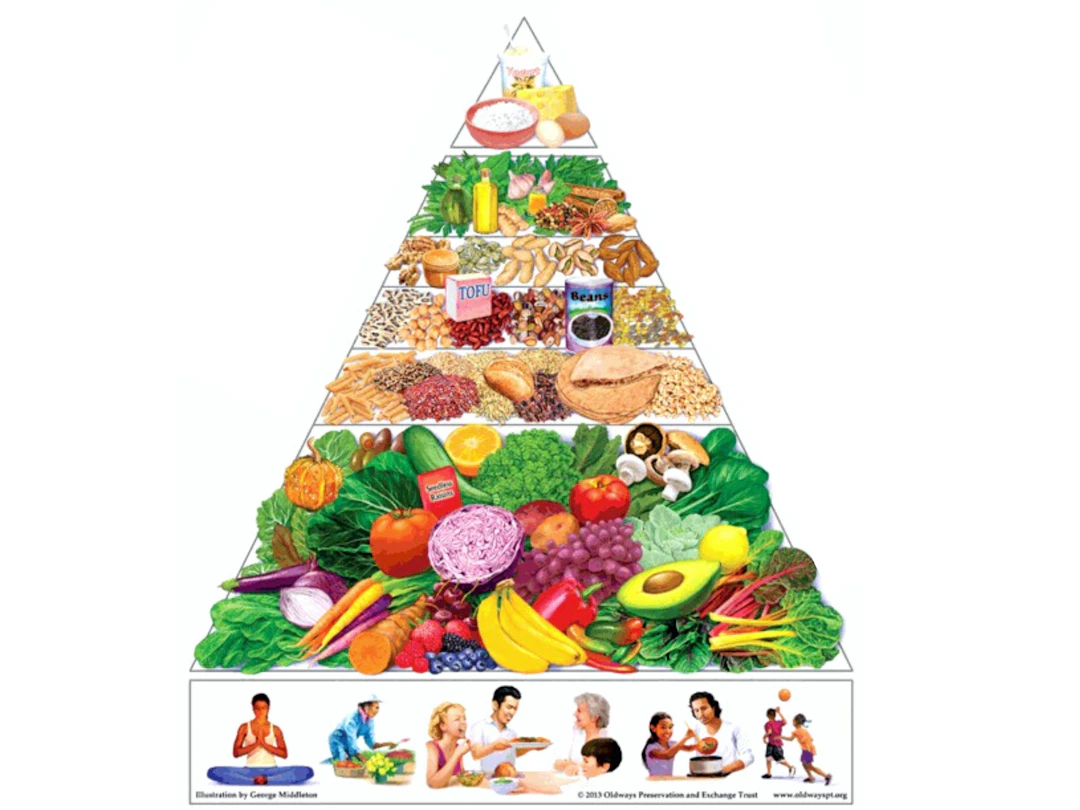
Fibre is essential for digestive health. It helps to regulate bowel movements, prevent constipation, and feed the beneficial bacteria in our gut. Foods rich in fibre include:
Whole grains
Fruits and vegetables
Legumes
2. Probiotics and Fermented Foods
Probiotics are live bacteria that are beneficial for your gut. Including them in your diet can enhance gut flora and improve digestion. Foods such as yogurt, kefir, sauerkraut, and kimchi are excellent sources of probiotics.
3. Hydration
Drinking plenty of water is essential for digestion. Water helps to dissolve nutrients and fibre, making their absorption easier and more efficient.
4. Anti-Inflammatory Foods
Chronic inflammation can disrupt digestive function. Incorporating foods rich in antioxidants, such as berries, leafy greens, and fatty fish, can help combat inflammation.
Connecting Digestive Health to Hormonal Balance
Did you know that your gut health impacts your hormonal balance? An imbalance in gut bacteria can affect hormones such as cortisol, insulin, and estrogen. This can lead to disruptions in hormonal health, resulting in weight gain, mood swings, and fatigue.
Maintaining a healthy digestive system is therefore crucial for effective hormonal regulation. Consider reading more about Hormonal Health 101: The Role of Nutrition in Balance to better understand this link.
Weight Management and Digestive Health
Maintaining a healthy weight can be challenging, and the state of your digestive health can greatly influence your weight management efforts. Issues such as poor absorption of nutrients, food intolerances, or imbalances in gut microbiota can contribute to weight gain. Here are some tips to help:
Focus on whole, unprocessed foods.
Be mindful of portion sizes.
Limit sugar and refined carbohydrates.
If you're keen to adopt a strategy for weight management, consider exploring our post on practical strategies for healthy living.
The Role of Digestion in Healthy Ageing
As we age, our digestive systems may become less efficient, leading to challenges such as indigestion or slower metabolism. However, a commitment to improving healthy ageing can counteract these effects. Strategies for promoting digestive health as we age include:
Incorporating more fibre into your diet.
Staying active to encourage digestive motility.
Taking time to chew food properly to ease digestion.
In addition, understanding the nutritional aspects of healthy ageing can further bolster your efforts. Consider reading our blog on Nutrition and Lifestyle Advice for Healthy Ageing for further insights.
Mind-Gut Connection
Your digestive health is also linked to your mental health, illustrating the existence of a robust mind-gut connection. Stress can significantly disrupt digestion, leading to conditions such as irritable bowel syndrome (IBS). Practising mindfulness, stress management techniques, and incorporating nutritional strategies can support both digestive health and mental wellbeing.
To manage stress through nutrition, explore our guide on practical tips for wellbeing.
The Power of Nutritional Therapy
Nutritional therapy can help in restoring balance and function in both the digestive system and the entire body. By personalising dietary plans, practitioners can address specific health concerns and create pathways for healing and rejuvenation.
Understanding nutritional therapy is critical for anyone aiming to enhance their overall health holistically. Learn more about how this approach can benefit you in ways you may not have considered through our article: A Whole Person Approach to Health.
Final Thoughts on Digestive Health
Taking care of your digestive health is not just about preventing discomfort; it's about nurturing the foundation of your physical, mental, and emotional wellbeing. By making thoughtful dietary choices, managing stress, and considering the integral role of our gut in overall health, you open doors to a more vibrant life.
Prioritising your gut means investing in your future. As you embark on this journey to better digestive health, embrace the lifestyle changes suggested in this article, and don't hesitate to delve deeper into supportive resources. Remember, a healthy gut can lead to a healthier you!
FAQs
What role does digestive health play in overall wellbeing?
Digestive health significantly affects energy levels, mood, immunity, and hormonal balance, making it essential for overall wellbeing.
What are some common issues related to poor digestive health?
Common issues include bloating, constipation, diarrhoea, fatigue, mood swings, and unintended weight changes.
How can nutrition enhance digestive health?
Nutrition can enhance digestive health by focusing on fibre-rich foods, probiotics, hydration, and anti-inflammatory foods.
What is the connection between digestive health and hormonal balance?
An imbalance in gut bacteria can disrupt hormones like cortisol, insulin, and oestrogen, affecting hormonal health and leading to weight gain and mood swings.
How does ageing affect digestive health?
As we age, our digestive systems may become less efficient, leading to challenges like indigestion and slower metabolism, but improvements can be made through dietary and lifestyle changes.


Comments