
Embracing Balance: Understanding PCOS Through Nutrition and Lifestyle Interventions

Overview
Polycystic Ovary Syndrome (PCOS) is a common hormonal disorder affecting women, characterised by irregular periods and metabolic issues. Effective management involves a holistic approach combining nutritional therapy, healthy lifestyle choices, and understanding digestive health. Key strategies include consuming whole foods, low-GI foods, healthy fats, regular exercise, quality sleep, and stress management techniques. Empowering oneself with knowledge about PCOS and its management can significantly improve quality of life and overall health.
Contents
Polycystic Ovary Syndrome (PCOS) is a prevalent hormonal disorder that affects many women worldwide. Characterised by irregular menstrual cycles, excessive androgen levels, and various metabolic complications, this condition can significantly impact a person's quality of life. However, with the right nutritional therapy and lifestyle choices, managing PCOS symptoms becomes achievable. This article delves into the interconnectedness of Nutritional Therapy, Digestive Health, Hormonal Health, Weight Management, and Healthy Ageing for women with PCOS.
Understanding the Basics of PCOS
Before exploring the dietary and lifestyle interventions, it's essential to understand how PCOS manifests itself. Women with PCOS may experience:
Irregular or absent menstrual periods
Excessive hair growth, acne, and scalp hair thinning
Difficulty in weight management
Higher risks of diabetes and cardiovascular diseases
Due to these diverse symptoms, a holistic approach that incorporates nutritional therapy and lifestyle adjustments is crucial for effective management.
The Role of Nutritional Therapy
Nutritional therapy serves as a vital tool in managing PCOS. A balanced diet focusing on whole foods can help alleviate symptoms and address underlying metabolic issues. Here are some key dietary principles to consider:
Emphasise Whole Foods
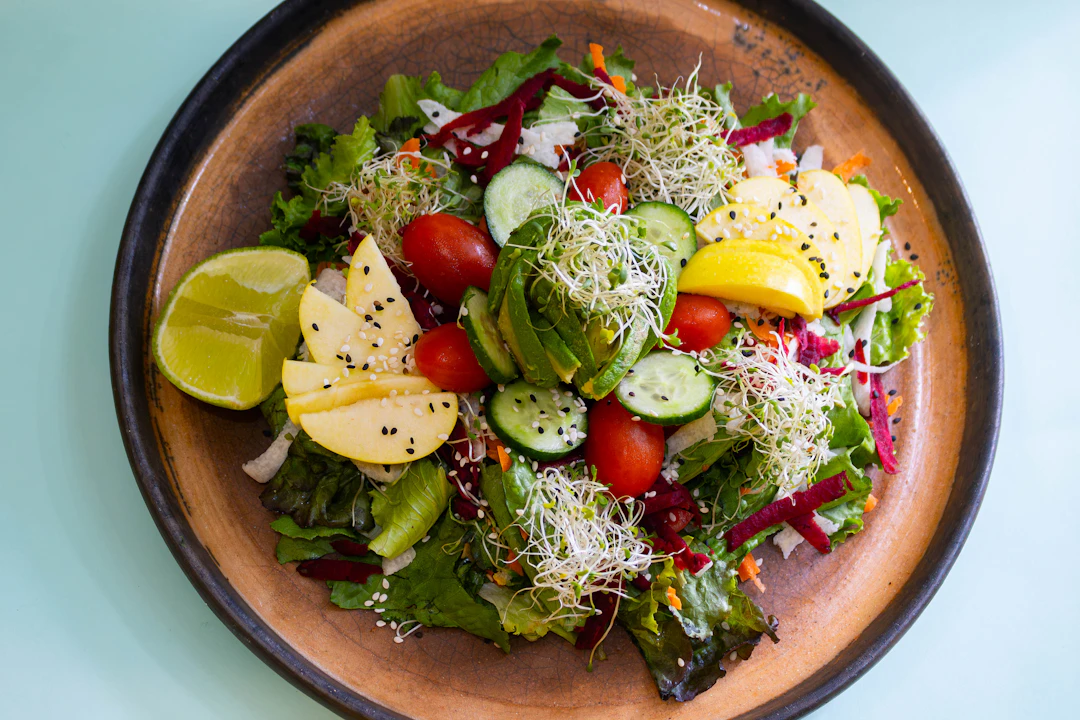
Whole foods, such as fruits, vegetables, whole grains, lean proteins, and healthy fats, are crucial for enhancing overall health and hormonal balance. These foods nourish the body, support Digestive Health, and can aid in effective Weight Management.
Low Glycemic Index (GI) Foods
Foods with a low glycemic index can help manage insulin levels. When insulin levels are stabilised, the body is better equipped to manage symptoms of PCOS. Examples of low GI foods include:
Non-starchy vegetables
Whole grains like quinoa and brown rice
Legumes such as lentils and chickpeas
Berries and citrus fruits
Integrating these foods into a daily diet can not only help regulate blood sugar levels but also promote Hormonal Health.
Healthy Fats Are Essential
Incorporating healthy fats, including avocados, nuts, seeds, and olive oil, supports hormonal production and overall health. Omega-3 fatty acids found in fish, flaxseeds, and walnuts can also reduce inflammation, a common issue for women suffering from PCOS.
Consider Personalized Nutrition
Everyone's body responds differently to certain foods. Working with a nutritionist to develop a personalised nutrition plan tailored to individual needs can be beneficial. For more information, explore Transform Your Life With Personalised Nutrition And Health Coaching.
Lifestyle Changes That Make a Difference
In addition to nutritional therapy, several lifestyle adjustments can enhance the management of PCOS:
Regular Physical Activity
Engaging in regular physical exercise not only helps manage weight but also improves insulin sensitivity. Activities such as:
Walking
Yoga
Strength training
Cycling
can significantly contribute to hormonal balance and overall wellbeing.
Quality Sleep Matters
Sleep is integral to health. Poor sleep quality can exacerbate insulin resistance and inflammation, leading to more severe symptoms of PCOS. Striving for 7-9 hours of quality sleep each night can support Hormonal Health and promote Healthy Ageing.
Stress Management Techniques
Chronic stress can lead to hormonal imbalance, worsening the symptoms of PCOS. Implementing relaxation techniques such as:
Mindfulness meditation
Deep breathing exercises
Journaling
Engaging in hobbies
can help mitigate these effects. For insights into how nutrition can assist with managing stress, visit Managing Stress Through Nutrition.
The Connection to Digestive Health
The gut microbiome plays a pivotal role in overall health and is increasingly recognised for its impact on hormonal balance. Addressing Digestive Health can also be vital for women with PCOS. Here are some strategies to enhance gut health:
Incorporate Probiotics and Prebiotics
Foods rich in probiotics, such as yogurt, kefir, and fermented vegetables, can help restore gut flora. Furthermore, prebiotic foods like onions, garlic, and bananas can promote the growth of beneficial gut bacteria. A well-balanced gut microbiome is linked to improved metabolic health and could be instrumental in managing PCOS symptoms.
Stay Hydrated
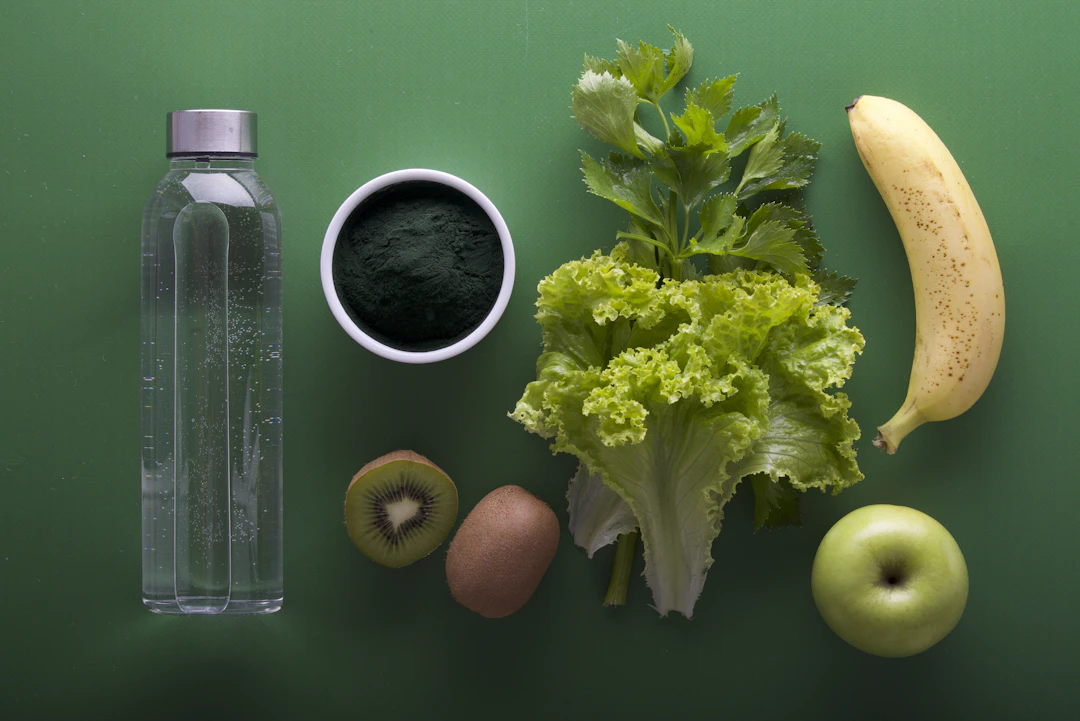
Water is essential for all bodily functions, including digestion. Maintaining hydration supports optimal digestive function and can aid in weight management. Aim for at least 8-10 glasses of water per day as a part of a balanced lifestyle.
Empowering Women through Knowledge
Understanding PCOS is a crucial step towards empowerment. Knowledge about the condition allows individuals to make informed choices regarding their health. Educating oneself on the links between diet, lifestyle, and overall health is essential to managing PCOS effectively. For further insights into the role of nutrition in hormonal balance, check out Hormonal Health 101.
The Road Ahead: Embracing a Healthier Future
In summary, managing PCOS does not have to be an uphill battle. By implementing a balanced diet rich in whole foods, making lifestyle adjustments, and understanding the importance of Nutritional Therapy, women can reclaim control over their health. The synergy between Nutritional Therapy, Digestive Health, Hormonal Health, Weight Management, and Healthy Ageing serves as a beacon of hope for those seeking to thrive despite the challenges presented by PCOS.
It’s time to embrace this journey toward a healthier lifestyle teeming with knowledge, balance, and self-care. With commitment and the right support, managing PCOS can lead not only to relief from symptoms but a renewed appreciation for life and wellbeing.
FAQs
What is Polycystic Ovary Syndrome (PCOS)?
Polycystic Ovary Syndrome (PCOS) is a common hormonal disorder that affects many women globally, characterised by irregular menstrual cycles, excessive androgen levels, and various metabolic issues.
How can nutritional therapy help manage PCOS?
Nutritional therapy can alleviate PCOS symptoms by promoting a balanced diet that focuses on whole foods, low glycemic index foods, healthy fats, and personalised nutrition plans.
What lifestyle changes can benefit women with PCOS?
Regular physical activity, quality sleep, and stress management techniques are all crucial lifestyle changes that can help enhance the management of PCOS.
Why is digestive health important for managing PCOS?
Digestive health is essential for managing PCOS as it influences hormonal balance; incorporating probiotics and prebiotics into the diet can help improve gut health.
What role does hydration play in managing PCOS?
Staying hydrated is vital for all bodily functions, including digestion, and can aid in weight management and overall health for women with PCOS.

Comments