
The Gut Health Revolution: Transforming Your Body from the Inside Out

Overview
Gut health is crucial for overall wellness, influencing digestion, hormonal balance, weight management, and mental health. Maintaining a healthy gut microbiome through a varied diet rich in probiotics and prebiotics, hydration, quality sleep, and stress management can enhance physical and mental wellbeing. Prioritising gut health is an investment in long-term health and happiness.
Contents
Gut health has emerged as a pivotal aspect of overall wellness, affecting everything from digestive health to emotional wellbeing. With the rise of nutritional science, the importance of maintaining a healthy gut is now more relevant than ever. But what exactly happens within our gut, and how does it influence our body and mind?
Understanding Gut Health
The gut, often referred to as the "second brain," plays a crucial role in our health. It is home to a complex ecosystem of microorganisms, collectively known as the gut microbiome. This community of bacteria, viruses, and fungi interacts with our bodies in various ways, impacting everything from our immune function to mental health.
The Impact of Gut Health on Digestive Health
At the core of gut health is digestive health. A balanced gut microbiome aids in breaking down the food we consume and absorbing essential nutrients. Impairments in this system can lead to a variety of ailments, including:
Increased bloating and gas
Constipation or diarrhoea
Food intolerances and allergies
Inflammatory bowel diseases
Supporting gut health can significantly alleviate these symptoms and enhance overall digestive function. One way to do this is through understanding digestive health and incorporating foods rich in probiotics and prebiotics into your diet.
Gut Health and Hormonal Health
Research indicates a strong correlation between gut health and hormonal health. The gut microbiome influences the production and regulation of hormones, which play critical roles in our mood, energy levels, and even metabolism. For instance, healthy gut bacteria can positively influence the balance of hormones related to stress and mood, such as cortisol and serotonin.
Conversely, an imbalanced gut can lead to hormone dysregulation. This can exacerbate conditions such as PMS, menopause symptoms, and even affect thyroid function. Proper nutritional therapy, focusing on gut health, can significantly aid in balancing these hormones and promoting overall hormonal wellbeing. For more insight into how nutrition plays a role in hormonal balance, check out Hormonal Health 101.
Weight Management and Gut Health
For many, the journey to body wellness is intertwined with weight management. Studies show that gut health can influence our metabolism and hunger cues. An optimal gut flora can help regulate appetite and cravings, making weight management not only more efficient but also sustainable. This connection makes it vital to consider gut health when pursuing weight management strategies.
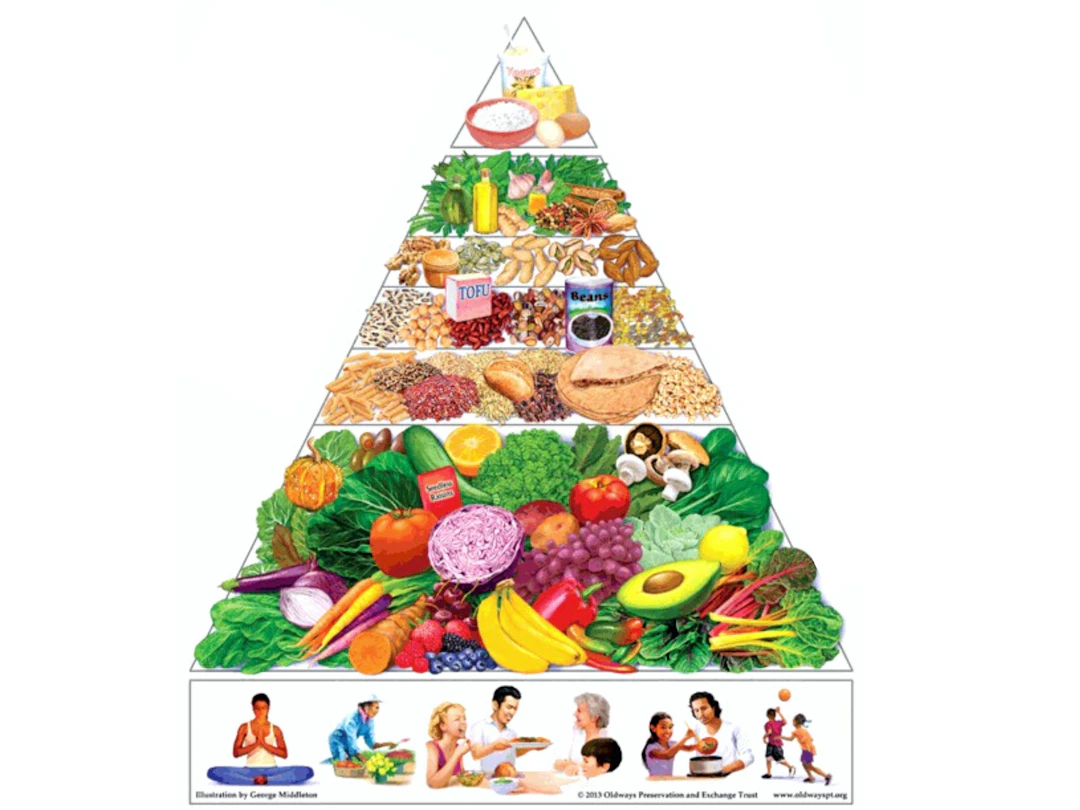
Examples of gut-friendly foods include:
Fermented foods like yoghurt, kefir, and sauerkraut
Fibrous fruits and vegetables such as apples, bananas, and artichokes
Whole grains like oats and barley
These foods contribute to a thriving microbiome, which in turn assists in maintaining a healthy weight. If you're looking for practical strategies for weight management, you might find value in reading Weight Management Without Dieting.
The Link Between Gut Health and Healthy Ageing
As we age, maintaining gut health is paramount to ensuring a robust body and mind. An imbalanced microbiome has been linked to age-related diseases, inflammation, and cognitive decline. Focusing on healthy ageing begins with nurturing your gut.
Adopting a diverse diet rich in nutrients, antioxidants, and gut-supportive foods can combat the effects of ageing on our bodies. The relationship between nutritional habits and the quality of ageing is evident, and individuals should seek methods that enhance their healthy ageing journey through effective nutritional choices.
Stress and Gut Health
Another critical way gut health affects your body is through its relationship with stress. When we experience stress, it can disrupt the balance of gut bacteria, leading to digestive issues and increased anxiety. The gut-brain connection is profound; an unsettled gut can affect mental health just as much as an anxious mind can impact digestion.
To manage stress positively, nutrition plays a pivotal role. Incorporating calming foods rich in omega-3 fatty acids, such as salmon and chia seeds, can foster a healthier gut and reduce stress levels. For practical tips on managing stress through nutrition, consider exploring Managing Stress Through Nutrition.
Optimising Gut Health
Cultivating a healthy gut involves some straightforward yet effective practices:
Eat a varied diet: Diverse food choices can promote a rich microbiome.
Stay hydrated: Water supports digestion and nutrient absorption.
Limit processed foods: High sugar and fat foods can negatively impact gut bacteria.
Get plenty of sleep: Quality sleep is crucial for hormonal balance and gut health.
Incorporating these habits into your daily life can dramatically shift your gut health and, in turn, your physical and mental wellbeing.
Final Thoughts: Embrace the Gut Revolution
Your gut is the cornerstone of your health. A flourishing microbiome enhances not just digestive health but also hormonal stability, weight management, and resilience against the effects of time. Taking steps toward better gut health is an investment in your overall wellbeing. Adopt nutritional strategies that support gut flora, celebrate the diversity of your diet, and remain mindful of the impacts of stress. As you embark on this journey, remember: a happy gut leads to a happy life!
FAQs
What is gut health and why is it important?
Gut health refers to the balance of microorganisms in the gastrointestinal tract, which affects overall wellness, including digestive health, emotional wellbeing, hormone regulation, and more.
How does gut health impact digestive health?
A balanced gut microbiome aids in breaking down food and absorbing essential nutrients, while impairments can lead to issues like bloating, constipation, food intolerances, and inflammatory bowel diseases.
What role does gut health play in hormonal balance?
The gut microbiome influences the production and regulation of hormones, which affect mood, energy levels, and metabolism. An imbalanced gut can lead to hormone dysregulation, exacerbating conditions like PMS and menopause symptoms.
What are some gut-friendly foods for weight management?
Gut-friendly foods include fermented items like yoghurt and kefir, fibrous fruits and vegetables such as apples and bananas, and whole grains like oats and barley, all of which promote a thriving microbiome.
How can stress affect gut health?
Stress can disrupt the balance of gut bacteria, leading to digestive problems and increased anxiety. The gut-brain connection means that an unhealthy gut can impact mental health just as stress can affect digestion.


Comments