
Bloating Explained: Causes, Symptoms and Solutions

Overview
Bloating is a common condition causing abdominal discomfort and emotional distress, often triggered by dietary choices, food intolerances, overeating, constipation, hormonal changes, and stress. Symptoms include fullness, abdominal swelling, and excessive gas. Effective management involves dietary adjustments, hydration, mindful eating, physical activity, and stress management. Chronic bloating may indicate serious health issues, so professional advice is recommended if symptoms persist. Embracing nutritional therapy and lifestyle changes can significantly improve digestive health and overall wellbeing.
Contents
Bloating is a common and often uncomfortable condition that many people experience at some point in their lives. It can cause a significant amount of distress, affecting not only physical comfort but also emotional wellbeing. In this comprehensive guide, we will dive deep into what causes bloating, the symptoms associated with it, and practical solutions that can help alleviate the discomfort. Additionally, we will explore how nutritional therapy and a greater understanding of digestive health can play a crucial role in managing bloating.
Understanding Bloating
Bloating refers to a feeling of fullness and tightness in the abdomen, often accompanied by a noticeable increase in abdominal size. This condition is usually a result of gas production or disruptions in the digestive process, which can be triggered by a range of factors. To understand how to manage bloating effectively, it is essential to first familiarise ourselves with its main causes and accompanying symptoms.
Common Causes of Bloating
There are several reasons why an individual might experience bloating, including:
Dietary Choices: Certain foods, such as beans, lentils, dairy products, and carbonated drinks, are known to produce gas during digestion, leading to a bloated feeling.
Food Intolerances: Lactose intolerance or gluten intolerance can significantly contribute to bloating. When the body is unable to digest these substances properly, it can result in gas and discomfort.
Overeating: Consuming large meals can stretch the stomach and hinder proper digestion, resulting in bloating.
Constipation: This common digestive issue can lead to a build-up of stool in the intestines, causing bloating and discomfort.
Hormonal Changes: Many women experience bloating as a symptom of their menstrual cycle due to hormonal fluctuations.
Stress: Psychological stress can impact digestive processes, leading to symptoms like bloating.
Identifying Symptoms of Bloating
The symptoms associated with bloating can vary from person to person. However, common indicators include:
A feeling of fullness or tightness in the abdomen
Visible swelling of the abdomen
Discomfort or pain in the abdominal area
Excessive gas or flatulence
Burping after meals
Recognising these symptoms is essential, as they can help you identify the specific triggers for your bloating and take appropriate actions to manage it effectively.
The Role of Nutritional Therapy in Managing Bloating
Nutritional therapy encompasses a whole-person approach to health, focusing not just on what you eat but also how your body reacts to food. With its emphasis on wheat management, hormonal health, and overall digestive health, nutritional therapy can be pivotal in addressing the root causes of bloating.
For instance, individuals with recognised food intolerances can benefit from the guidance of a qualified nutritional therapist. By tailoring diet plans that avoid trigger foods and include more easily digestible options, one can significantly reduce bloating episodes.
For more information on how nutritional therapy can be a game-changer in your health journey, consider exploring Understanding Nutritional Therapy: A Whole Person Approach to Health.
Will It Ever Go Away? Longevity of Bloating
Bloating can come and go based on lifestyle factors, dietary choices, and even stress levels. It’s crucial to differentiate between occasional bloating versus chronic bloating. While occasional bloating may resolve itself with dietary changes or home remedies, chronic bloating may indicate a more serious underlying health condition that requires professional assessment.
Practical Solutions for Alleviating Bloating
Fortunately, there are several strategies you can implement to alleviate bloating:
1. Adjust Your Diet
Start by identifying and eliminating foods that trigger bloating. Keeping a food diary can be a practical way to monitor what you’re eating and how it affects your body. Incorporating foods high in water content, such as cucumbers, watermelon, and celery, can also help keep digestion running smoothly.
2. Stay Hydrated
Drinking plenty of water throughout the day can help your kidneys flush out excess sodium and reduce any water retention that may be contributing to bloating. Herbal teas like peppermint or chamomile can also promote digestive health and ease discomfort.
3. Mindful Eating
Eating slowly and chewing your food thoroughly can enhance digestion and reduce the amount of air you swallow, which reduces bloating. Also, try to avoid large meals and opt for smaller, more frequent meals instead.
4. Incorporate Physical Activity
Gentle physical activity, such as walking or yoga, can aid digestion and reduce bloating. These exercises help move gas through the digestive tract, alleviating discomfort.
5. Manage Stress
Since stress can exacerbate bloating, finding ways to manage it effectively is essential. Engage in activities such as meditation, deep-breathing exercises, or any hobbies that bring you joy.
If you’d like to delve deeper into the relationship between stress and nutrition, our guide on Managing Stress Through Nutrition: Practical Tips for Wellbeing provides valuable insights.
Strategies for Long-Term Relief
Long-term management of bloating involves preventative measures that promote digestive health. Here are a few recommendations:
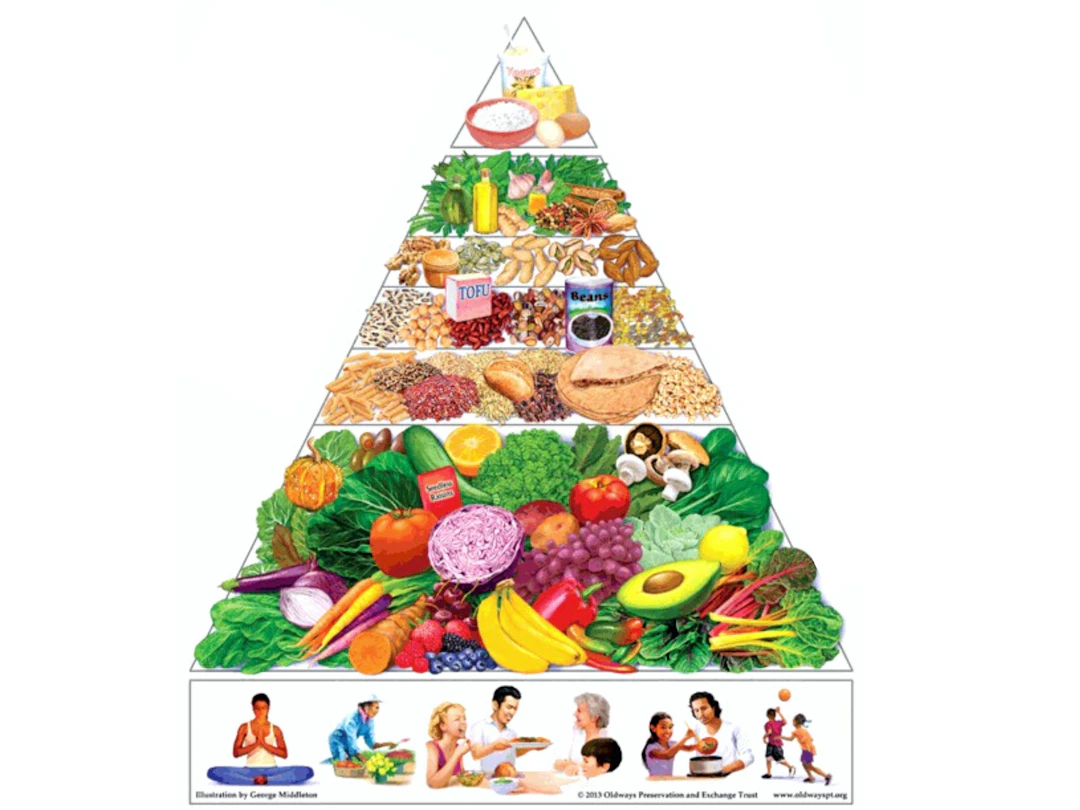
Maintain a Balanced Diet: Focus on a varied diet that includes fibrous fruits, vegetables, whole grains, and lean proteins while limiting processed foods, which can contribute to digestive issues.
Probiotics: Incorporating probiotic-rich foods like yogurt or kefir can help support your gut flora, thus improving your digestive health and reducing bloating.
Regular Exercise: Consistent physical activity is essential for maintaining a healthy weight and reducing bloating. Aim for at least 150 minutes of moderate aerobic activity each week.
When to Seek Professional Help
While bloating is often a benign symptom, it can also indicate a more serious underlying condition, such as irritable bowel syndrome (IBS), celiac disease, or gastrointestinal obstruction, among others. If you experience severe bloating that does not subside with lifestyle changes, or if it's accompanied by other concerning symptoms such as unexplained weight loss, prolonged abdominal pain, or persistent changes in bowel habits, it is crucial to seek professional medical advice.
Embrace Your Best Health
Understanding bloating, its causes, symptoms, and effective solutions empowers you to take control of your digestive health. By embracing nutritional therapy, manageable lifestyle changes, and being mindful of dietary choices, you can significantly reduce the occurrence of bloating and enhance your overall wellbeing. For further insights into healthy ageing and nutritional strategies, consider exploring our resources on The Science of Healthy Ageing Nutrition and Lifestyle Advice and Healthy Ageing Nutrition and Lifestyle Tips for Seniors.
FAQs
What is bloating?
Bloating refers to a feeling of fullness and tightness in the abdomen, often accompanied by a noticeable increase in abdominal size due to gas production or digestive disruptions.
What are common causes of bloating?
Common causes of bloating include dietary choices (such as beans, lentils, and dairy), food intolerances (like lactose or gluten intolerance), overeating, constipation, hormonal changes, and stress.
What symptoms are associated with bloating?
Symptoms of bloating can include a feeling of fullness or tightness in the abdomen, visible swelling, discomfort or pain in the abdominal area, excessive gas or flatulence, and burping after meals.
What practical solutions can alleviate bloating?
To alleviate bloating, consider adjusting your diet to eliminate trigger foods, staying hydrated, practising mindful eating, incorporating physical activity, and managing stress.
When should you seek professional help for bloating?
Seek professional help for bloating if it is severe, does not subside with lifestyle changes, or is accompanied by concerning symptoms like unexplained weight loss, prolonged abdominal pain, or persistent changes in bowel habits.

Comments