
Understanding Inflammation: How Diet Can Help

Overview
Inflammation is a natural immune response, but chronic inflammation can lead to health issues like heart disease and diabetes. Managing inflammation through diet is crucial; consuming anti-inflammatory foods like fruits, vegetables, healthy fats, and whole grains can help, while avoiding sugary and processed foods is essential. Additionally, hydration, stress management, and maintaining a healthy weight play significant roles in controlling inflammation. Making informed dietary choices can promote overall health and well-being.
Contents
Inflammation is a response from our immune system that can be both beneficial and harmful. While acute inflammation can help the body heal, chronic inflammation can lead to various health issues such as heart disease, diabetes, and arthritis. A key factor in managing inflammation lies in understanding how diet impacts our bodies. In this blog, we will delve into the relationship between nutrition and inflammation, focusing on how specific dietary choices can help manage and reduce inflammation naturally.
What is Inflammation?
Inflammation is the body's way of protecting itself against harm. When inflammation occurs, the body sends white blood cells and nutrients to the site of injury or infection. However, chronic inflammation can become a concern. It may contribute to various long-term ailments, impacting digestive health, hormonal levels, and even our overall quality of life.
Symptoms of chronic inflammation can include:
Persistent fatigue
Joint pain and swelling
Skin rashes
Frequent infections
Tummy troubles
The Role of Diet in Managing Inflammation
What we eat plays a significant role in inflammation levels in our bodies. Certain foods can trigger or exacerbate inflammation, while others can help combat it. Emphasizing whole, nutrient-dense foods while reducing processed options can lead to a more balanced and healthier state.
Foods That Fight Inflammation
Including a variety of anti-inflammatory foods in your diet can help soothe inflammation. Here are some of the top food groups to consider:
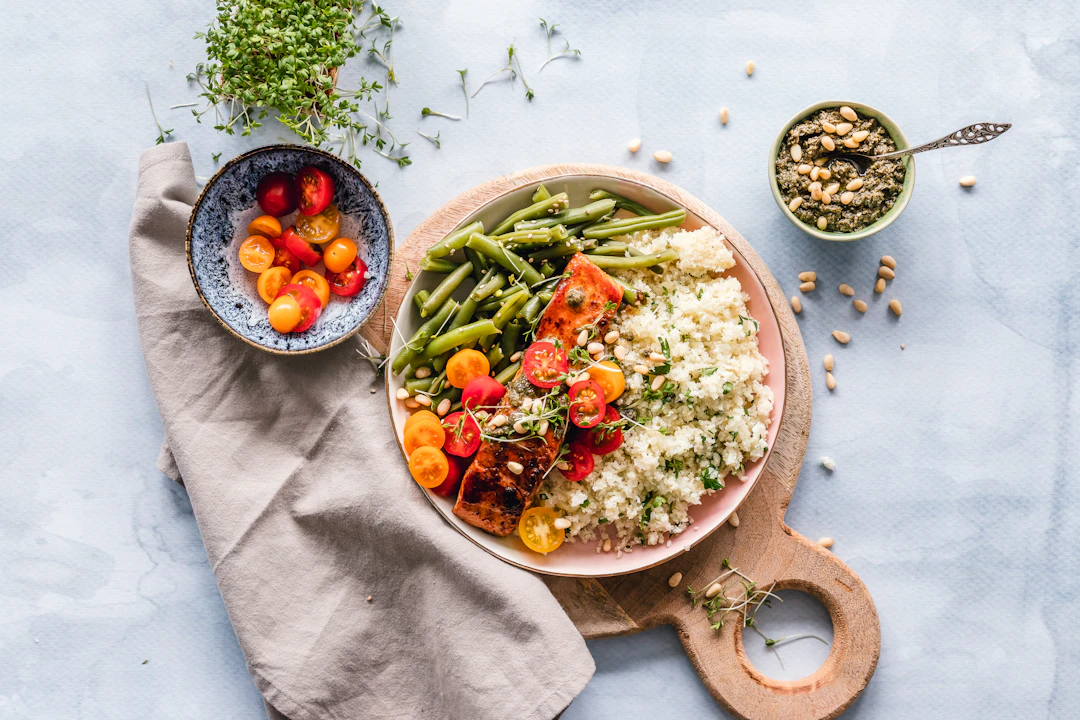
Fruits and Vegetables: Berries, cherries, spinach, and broccoli are packed with antioxidants and vitamins that can combat inflammation.
Healthy Fats: Omega-3 fatty acids found in fish (like salmon and mackerel) and plant sources (like flaxseeds and walnuts) help reduce inflammatory markers.
Nuts and Seeds: Almonds, walnuts, and chia seeds are rich in healthy fats and fibre, contributing to lower inflammation.
Whole Grains: Foods like oats, brown rice, and quinoa are good sources of fibre, which is beneficial for digestive health and may reduce inflammation.
Herbs and Spices: Turmeric, ginger, and garlic have potent anti-inflammatory properties that can easily be added to meals.
Foods That May Trigger Inflammation
While focusing on a vibrant diet filled with anti-inflammatory foods, it’s also essential to recognise those that might spur inflammation. These include:
Sugary Foods: High sugar intake can lead to increased levels of inflammatory markers in the body.
Refined Carbohydrates: White bread and pastries can cause a spike in blood sugar, prompting inflammation.
Processed Meats: Hot dogs, bacon, and other processed meats are linked to increased inflammation and a higher risk of chronic disease.
Trans Fats: Found in many fried foods and baked products, trans fats are known to provoke inflammation.
Excess Alcohol: Overconsumption of alcohol can lead to inflammation and degenerative diseases.
Understanding Nutritional Therapy
Nutritional therapy can be a vital tool in managing inflammation and overall health. By tailoring dietary recommendations based on individual needs, nutritional therapy addresses the root causes of inflammation rather than just the symptoms. To explore this holistic approach further, you can read about Understanding Nutritional Therapy.
Emphasising Balanced Nutrition
Engaging in personalised dietary strategies can also support hormonal health. Balanced meals comprising whole grains, proteins, and healthy fats can improve satiety and reduce the desire to snack on inflammatory foods.
Hydration and Inflammation
Staying hydrated is equally important. Water helps to flush out toxins and can improve overall health. Herbal teas, particularly those with anti-inflammatory properties like green tea, can also be beneficial.
Weight Management and Inflammation
Managing weight is another essential aspect of controlling inflammation. Excess body fat, particularly around the abdomen, can lead to elevated levels of inflammatory markers. Sustaining a healthy weight through nutritious eating and regular physical activity promotes a healthy inflammatory response.
For valuable tips on sustainable weight management strategies, read about unlocking weight management secrets. Focused dietary changes alongside lifestyle adjustments can lead to lasting results.
The Impact of Stress on Inflammation
Stress is often a hidden contributor to inflammation. High-stress levels can trigger inflammatory responses in the body. Addressing stress through mindfulness, yoga, and appropriate nutrition can help counteract this effect.
For practical ideas on managing stress through nutrition, you can explore ways in Managing Stress.
Reaping the Benefits of Healthy Ageing
Healthy ageing is a reflection of long-term lifestyle choices, particularly in the realm of nutrition. Incorporating anti-inflammatory foods early on can set the stage for improved health in later years. By developing habits that promote healthy ageing, we can significantly enhance our quality of life as we grow older.
Key Takeaways for Reducing Inflammation with Diet
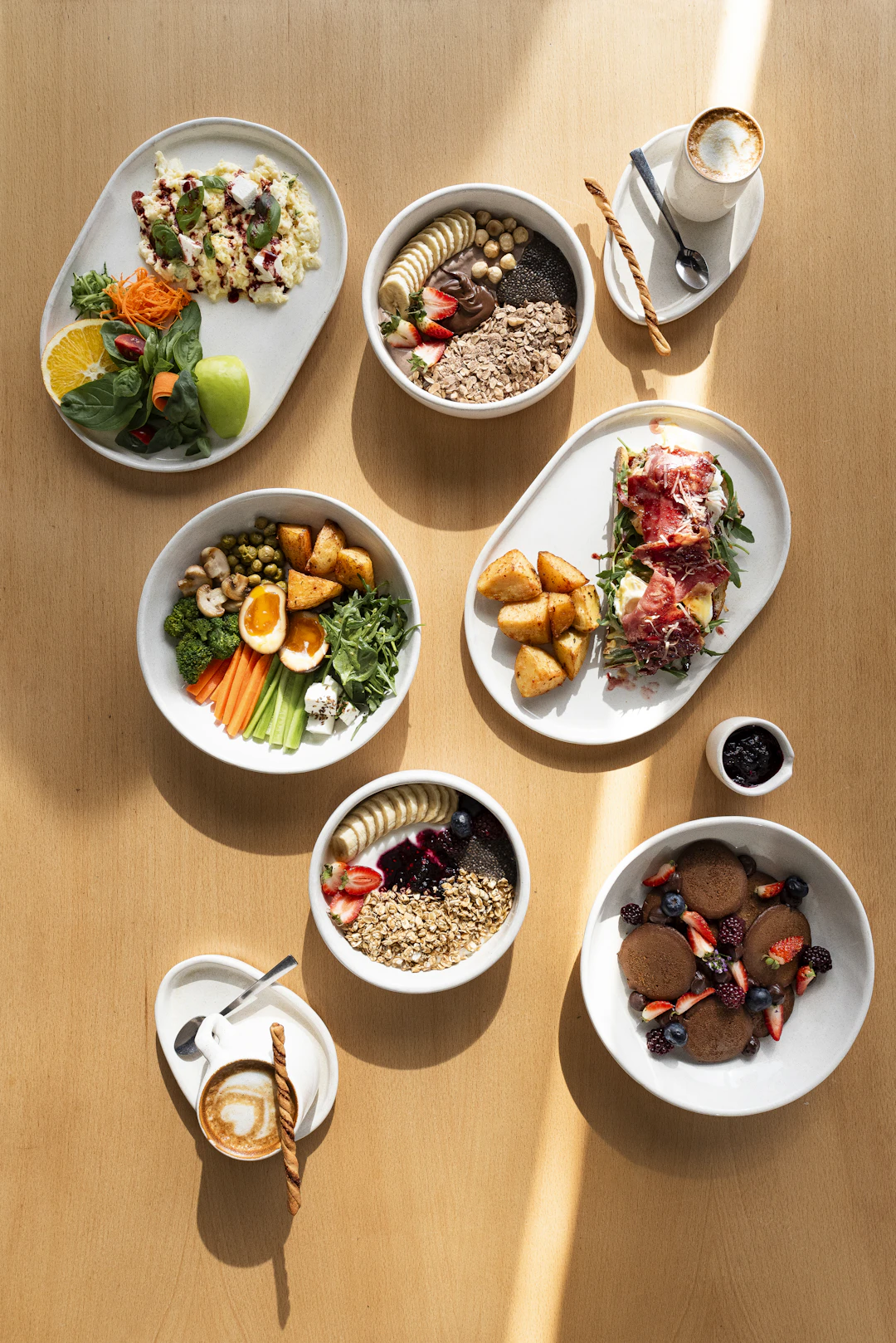
In summary, understanding the connection between your diet and inflammation can empower you to make informed choices that promote better health. Integrating more anti-inflammatory foods while reducing those that provoke inflammation is crucial.
Always prioritise nutrient-dense meals, stay hydrated, manage stress levels, and aim for a healthy weight. With the right approach, you can foster a vibrant, healthy life while keeping chronic inflammation at bay.
Embarking on Your Journey to Health
Taking the first step towards a better diet and lifestyle can feel overwhelming, but remember, every small change counts. Embrace the power of nutrition and its ability to heal and nourish your body from the inside out. By recognising and addressing inflammation through diet, you are not only promoting your right here and now but also paving the way for a more vibrant and healthier future.
FAQs
What is inflammation?
Inflammation is the body's way of protecting itself against harm, involving the dispatch of white blood cells and nutrients to sites of injury or infection. However, chronic inflammation can lead to various health issues.
How does diet influence inflammation?
Diet plays a significant role in inflammation levels, as certain foods can trigger or exacerbate inflammation, while others can help combat it, promoting a healthier, balanced state.
What types of foods can help fight inflammation?
Anti-inflammatory foods include fruits and vegetables like berries and spinach, healthy fats such as omega-3 fatty acids, nuts and seeds, whole grains, and herbs and spices like turmeric and ginger.
Which foods might trigger inflammation?
Foods that may trigger inflammation include sugary foods, refined carbohydrates, processed meats, trans fats, and excess alcohol.
What role does stress play in inflammation?
Stress can be a hidden contributor to inflammation, as high-stress levels can trigger inflammatory responses in the body.

Comments