
The Importance of Hydration: Simple Tips to Drink More Water

Overview
Staying hydrated is crucial for health, impacting digestion, cognitive function, and weight management. Many struggle to drink enough water, leading to dehydration symptoms. To boost water intake, try drinking water in the morning, setting reminders, using a reusable bottle, drinking before meals, infusing water with flavours, and consuming water-rich foods. Myths about hydration abound, such as only drinking when thirsty or needing eight glasses daily. Proper hydration supports weight management and healthy ageing. Implementing simple strategies can enhance overall wellbeing.
Contents
Staying hydrated is essential for maintaining optimal health, yet many individuals struggle to drink enough water throughout the day. The significance of hydration cannot be overstated, as it plays a critical role in various aspects of our wellbeing, including Nutritional Therapy, Digestive Health, Hormonal Health, Weight Management, and Healthy Ageing. In this article, we will help you understand why hydration is vital and share simple yet effective tips to increase your water intake.
Why Hydration Matters
Water is fundamental to life, making up approximately 60% of the human body. It is involved in countless physiological processes, including:
Maintaining body temperature: When you are well-hydrated, your body's thermoregulation function operates smoothly.
Supporting digestion: Water helps in the breakdown of food, allowing for proper nutrient absorption, which is essential for Digestive Health.
Cushioning joints: Adequate hydration aids in lubricating joints, reducing the risk of discomfort and stiffness.
Cognitive function: Hydration affects brain health. Even mild dehydration can impair cognitive performance and mood.
Hydration is also crucial when it comes to Nutritional Therapy, as many nutrients require water for optimal absorption. By drinking sufficient water, you can ensure your body not only gets the nutrients it needs but also effectively eliminates toxins.
Common Symptoms of Dehydration
Understanding the signs of dehydration is vital for maintaining your health. Some common symptoms include:
Dry mouth or unusual thirst
Fatigue and sluggishness
Dark yellow urine, or infrequent urination
Dizziness or confusion
Dry skin and lips
If any of these symptoms resonate with you, it may be time to increase your water intake. The connection between hydration and Hormonal Health is also paramount; insufficient hydration can lead to hormonal imbalances, affecting everything from metabolism to stress levels.
Simple Tips to Drink More Water
Now that you understand the importance of hydration, let's explore some practical tips to help you boost your water intake:
1. Start Early
Make it a habit to drink a glass of water first thing in the morning. This not only kick-starts your metabolism but also sets a positive tone for the day. Adding some lemon or lime can provide an extra boost of vitamin C and taste.
2. Set Reminders
In our busy lives, it’s easy to forget to drink water. Consider setting reminders on your phone or using apps dedicated to hydration tracking. Regular reminders will keep your hydration goals front of mind.
3. Invest in a Reusable Water Bottle
Having a visually appealing and practical reusable water bottle makes it easier to remember to drink water. Keep it with you wherever you go, and refill it as needed. Some bottles even have measurements marked to help you track your daily intake.
4. Drink Before Meals
Establish a routine of drinking a glass of water before every meal or snack. This not only elevates hydration levels but may also aid in Weight Management as it can promote feelings of fullness, thus preventing overeating.
5. Infuse Your Water
If plain water doesn’t appeal to you, consider infusing it with fruits, herbs, or vegetables. Combinations like cucumber and mint or berries and citrus create subtly flavoured drinks that are refreshing and nutritious. This makes hydration feel less like a chore and more of a treat.
6. Use a Watershed
Utilising a waterslide technique can be beneficial; this means sipping water from a glass as you go about your day, rather than waiting until you're thirsty. Keeping water visible on your desk or around the house can serve as a constant reminder.
7. Switch to Herbal Teas
Herbal teas are an excellent alternative to plain water. They come in a variety of flavours and provide hydration benefits alongside additional health perks. Just make sure they are caffeine-free to maximise hydration!
8. Eat Water-Rich Foods
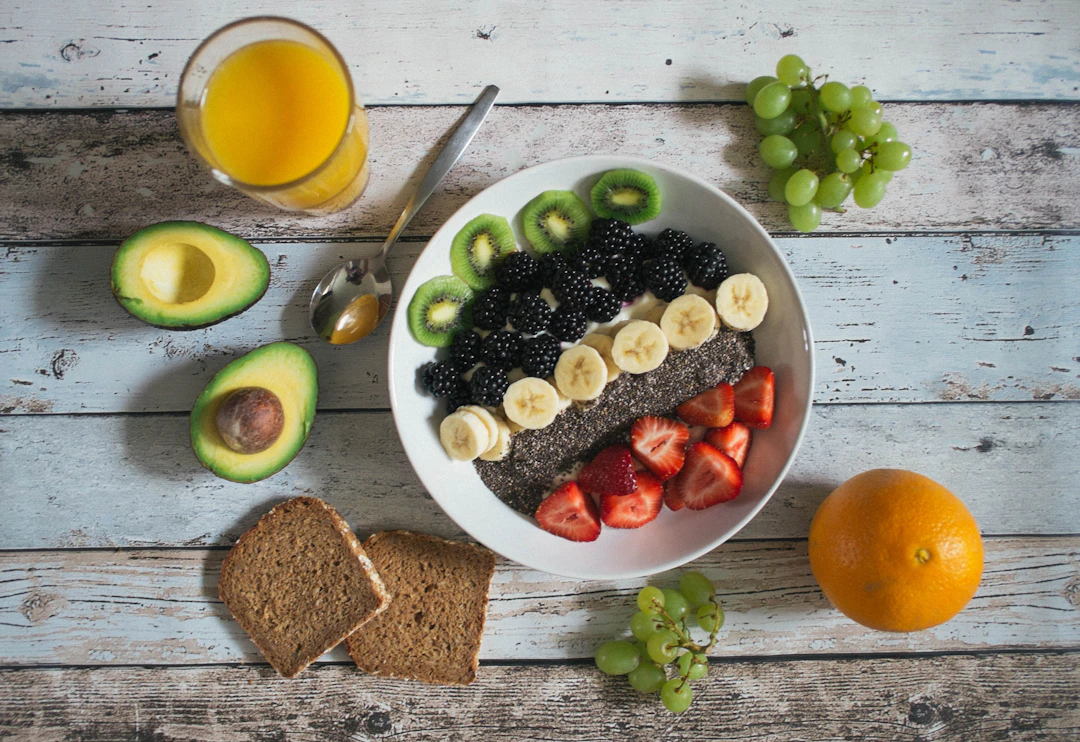
Incorporate foods with high water content into your diet. Foods like watermelon, cucumbers, oranges, and spinach not only hydrate but also contribute to your overall Nutritional Therapy regimen. These foods can be especially useful in contributing to Healthy Ageing.
Addressing Common Hydration Misconceptions
There are several myths regarding hydration that can lead to confusion. Here are a few misconceptions worth addressing:
Myth: You only need to drink water when you’re thirsty. Thirst is your body’s way of indicating a need for hydration, but waiting for thirst can mean you are already dehydrated.
Myth: All beverages hydrate equally. While many drinks contribute to hydration, some—like caffeinated or alcoholic beverages—can actually lead to dehydration.
Myth: You need to drink 8 glasses of water a day. The amount of water one needs varies based on age, activity level, and climate. It's essential to listen to your body and adjust accordingly.
The Link Between Hydration and Weight Management
Hydration is an essential component of any effective weight management strategy. Understanding your hydration levels can help define your appetite cues more clearly. In fact, sometimes the body can misinterpret thirst signals as hunger, leading to unnecessary snacking. By ensuring that you are adequately hydrated, you can help manage your food intake more effectively.
For those keen on learning more about practical strategies for healthy living and effective Weight Management, consider exploring methods outlined in the article on Weight Management Without Dieting.
Hydration And Healthy Ageing
Another vital link exists between hydration and Healthy Ageing. As we age, our bodies tend to become less efficient in signalling the need for hydration, resulting in a higher risk of dehydration in older adults. Prioritising water intake helps keep skin supple, aids in digestion, and enhances cognitive performance, all crucial aspects of healthy ageing.
If you're interested in specific strategies for enhancing Healthy Ageing, be sure to check out valuable tips on Healthy Ageing Nutrition and Lifestyle Tips for Seniors.
Stay Hydrated, Stay Healthy!
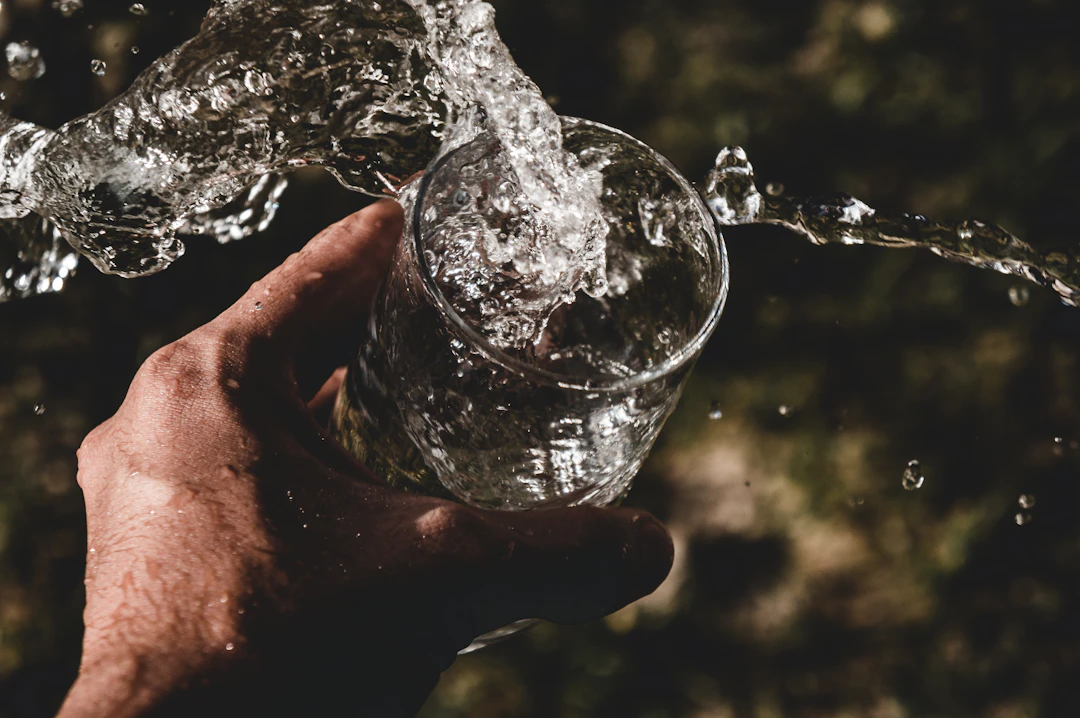
Ensuring that you are adequately hydrated is vital for maintaining your overall health and wellbeing. By implementing these straightforward tips into your daily routine, you can easily boost your water intake and reap the benefits of improved Digestive Health, Nutritional Therapy, and overall vitality. Remember that staying hydrated is not just about drinking water; it’s about embracing a lifestyle that fosters good health and longevity. Take the first step today—raise that glass and hydrate for a healthier tomorrow!
FAQs
Why is hydration important for health?
Hydration is essential for maintaining optimal health as it plays a critical role in various aspects of wellbeing, including digestion, cognitive function, joint lubrication, and nutrient absorption.
What are common signs of dehydration?
Common symptoms of dehydration include dry mouth, fatigue, dark yellow urine, dizziness, and dry skin.
What are some simple tips to drink more water?
Simple tips include starting your day with a glass of water, setting reminders, using a reusable water bottle, drinking before meals, and infusing water with fruits or herbs.
Can hydration affect weight management?
Yes, proper hydration can help manage appetite cues and prevent unnecessary snacking, as the body can sometimes confuse thirst with hunger.
How does hydration relate to healthy ageing?
Staying hydrated contributes to healthy ageing by keeping skin supple, aiding digestion, and enhancing cognitive performance, which becomes increasingly important as we age.

Comments