
Healthy Ageing: What to Eat for Longevity

Overview
Healthy ageing relies on adopting a nutritious diet that promotes digestive and hormonal health, supports weight management, and enhances overall wellbeing. Key elements include fruits, vegetables, healthy fats, lean proteins, and whole grains. Staying hydrated, engaging socially during meals, and incorporating superfoods can further support longevity. Meal planning and creating a supportive environment are crucial for maintaining healthy choices as we age. Embrace ageing as an opportunity for growth through mindful eating and lifestyle adjustments.
Contents
The journey through life should be marked by vitality and joy, and as we grow older, adopting a healthy eating lifestyle becomes paramount. This blog will explore the essential role of nutrition in promoting healthy ageing, enhancing digestive health, ensuring hormonal health, and supporting weight management. By focusing on the right foods, we can equip our bodies to thrive even in the golden years.
The Foundation of Healthy Ageing
Healthy ageing begins with an understanding of what our bodies need as they evolve over time. As we age, our metabolic rate decreases, and nutritional needs shift. This requires a comprehensive approach through nutritional therapy, which considers not just our food intake but our overall health and lifestyle choices.
Key Nutritional Elements for Longevity
To facilitate healthy ageing, here are some essential dietary elements every individual should consider:
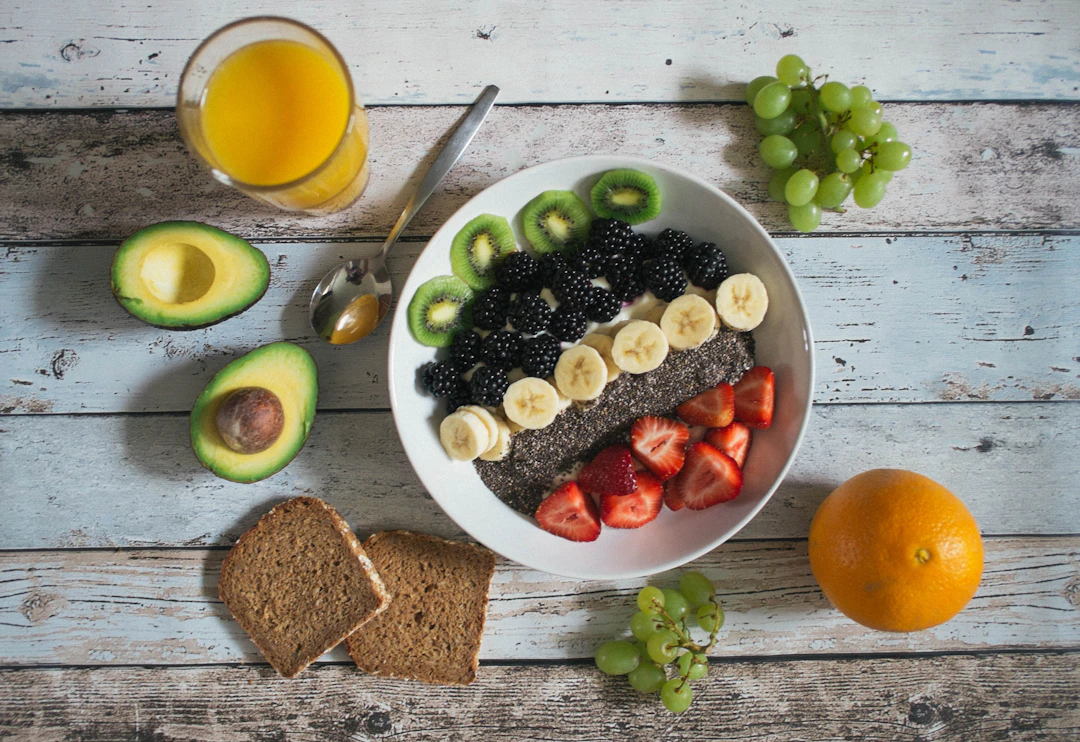
Fruits and Vegetables: These are packed with antioxidants, vitamins, and minerals. Aim for a rainbow on your plate to ensure you get a variety of nutrients.
Healthy Fats: Incorporate sources like avocados, nuts, and olive oil. They support heart health and can help manage cholesterol levels.
Lean Proteins: Sources like fish, poultry, beans, and legumes are crucial for muscle preservation and repair, particularly as we age.
Whole Grains: Foods such as brown rice, quinoa, and oats provide valuable fiber which enhances digestive health and keeps you feeling fuller longer.
Understanding Specific Nutritional Needs
Digestive Health
The gut plays an integral role in our overall health, and with age, it’s vital to maintain a balanced and healthy gut flora. Eating foods high in fibre not only supports digestive health but also aids in the absorption of essential nutrients. Probiotic-rich foods such as yogurt, sauerkraut, and kefir can help maintain gut bacteria balance.
Hormonal Health
As we age, hormonal changes can significantly affect our wellbeing. It's crucial to focus on maintaining hormonal balance through diet. Foods rich in phytoestrogens such as soy products, flaxseeds, and chickpeas can support the body during hormonal transitions like menopause. Furthermore, ensuring proper nutrition can effectively manage stress levels, which directly impact hormonal health. For more insight, you may want to read about hormonal health.
Weight Management
Healthy ageing also involves maintaining a healthy weight. Opting for nutrient-dense foods over calorie-dense options is essential for effective weight management. Engaging in regular exercise complements a healthy diet, further enhancing your ability to maintain an optimal weight. Integrating small changes, such as opting for water over sugary drinks and being mindful of portion sizes, can make a substantial difference in the long run.
The Importance of Hydration
Staying hydrated is crucial, especially as we age. Our thirst mechanisms may diminish, leading to a decreased sense of hydration. Aim to drink adequate water throughout the day, alongside hydrating foods like cucumbers, watermelon, and soups. Proper hydration enhances digestive health, aids in metabolic processes, and supports overall cellular function.
Social Aspects of Eating Well
Eating is not only about sustenance; it’s a social activity that enhances our emotional wellbeing. Engaging in meals with family and friends can positively affect mental health and promote a healthier relationship with food. Such social interactions are integral to maintaining a healthy mindset and fostering a sense of community.
Superfoods for Longevity
To maximise the benefits of your diet for healthy ageing, consider incorporating superfoods known for their health-promoting properties:
Blueberries: Packed with antioxidants, they are known to fight oxidative stress and may help improve memory.
Leafy Greens: Foods like spinach and kale are nutrient-dense, offering a wealth of vitamins while being low in calories.
Fatty Fish: Salmon, mackerel, and sardines are high in omega-3 fatty acids which have anti-inflammatory effects.
Turmeric: This spice contains curcumin, known for its anti-inflammatory properties and potential role in cognitive health.
Meal Planning for Healthy Ageing
To ensure you're getting the right nutrients, meal planning can be incredibly beneficial. It encourages healthy choices and can help in managing weight management without following restrictive diets. Here are a few tips:
Plan meals around the five food groups to ensure a balanced diet.
Incorporate batch cooking for easy access during busy days.
Experiment with new recipes that focus on whole, unprocessed foods.
Exploring Nutritional Therapy
Nutritional therapy aims to promote overall health by guiding individuals on how to use food as a tool for wellness. By adopting a whole person approach, our dietary choices can significantly improve outcomes related to hormonal health, digestive health, and various chronic conditions. To delve deeper into this approach, visit this article on nutritional therapy.
Combating Age-Related Conditions
A healthy diet can also play a role in preventing age-related conditions such as hypertension, heart disease, and cognitive decline. Foods rich in omega-3 fatty acids, antioxidants, and fibre can protect against these issues. Regular assessment by professionals can guide dietary adjustments that meet your evolving health needs.
Support Systems for Healthy Ageing
Creating a support system is essential for maintaining health. Whether it’s family, friends, or professional health coaches, having people to encourage healthy choices can enhance dietary adherence. This positive environment fosters a shared commitment to healthy ageing.
A New Perspective on Ageing
Age should never be viewed as a limitation but as an opportunity for growth and wellness. Embracing a lifestyle characterised by nutritious eating and positive mindset shifts can transform ageing into a fulfilling journey. It's never too late to make better choices; every small step counts towards achieving better health.
The Journey Ahead
In summary, healthy ageing is largely influenced by our dietary choices. By integrating wholesome, nutrient-dense foods into our lives, we can enhance our digestive health, support our hormonal health, and maintain effective weight management. The power of nutrition in promoting longevity is immense, and as you embark on this journey, remember that it is not merely about the food you eat but the lifestyle you cultivate around it.
For additional insights on maintaining your quality of life as you age, check out the post on healthy ageing tips. Let's embrace these golden years with health, wisdom, and joy!
FAQs
What is the importance of nutrition in healthy ageing?
Nutrition plays a vital role in promoting healthy ageing by enhancing digestive health, ensuring hormonal balance, and supporting effective weight management.
What are some key nutritional elements for longevity?
Essential dietary elements for longevity include fruits and vegetables, healthy fats, lean proteins, and whole grains.
How can meal planning aid in healthy ageing?
Meal planning encourages healthy choices, helps manage weight without restrictive diets, and ensures you receive a balanced intake of nutrients.
What are some superfoods that promote healthy ageing?
Superfoods for longevity include blueberries, leafy greens, fatty fish, and turmeric, which are known for their health-promoting properties.
How does hydration impact healthy ageing?
Staying hydrated supports digestive health, aids in metabolic processes, and enhances overall cellular function, which is crucial as we age.


Comments