
Practical Food Ideas for Improved Gut Health

Overview
Gut health is essential for overall well-being, influencing digestion, hormones, and ageing. This blog offers practical food ideas to nourish your gut, including probiotics, prebiotics, fibre, and healthy fats, while advising on foods to avoid. Emphasising balanced meals and mindful eating can enhance digestion and health. Explore diverse cuisines to make gut health enjoyable and fulfilling.
Contents
Our gut health plays a pivotal role in our overall well-being, influencing everything from digestive health to hormonal health. Did you know that what you eat can significantly impact your gut microbiome, managing weight and promoting healthy ageing? In this blog post, we’ll explore several practical food ideas to help you nourish your gut and enhance your nutrition journey. Whether you're looking to improve your digestive health or simply want to feel more energised, these tips will guide you towards a healthier lifestyle.
Understanding Gut Health
Gut health refers to the balance of microorganisms that live in the digestive tract. Maintaining a diverse microbiome is crucial for optimal health, as it affects nutrient absorption, immune function, and even mood regulation. The connection between gut health and overall wellness has been increasingly recognised in the field of digestive health and nutrition therapy.
Incorporating Probiotics into Your Diet
Probiotics are beneficial bacteria found in fermented foods that can help balance gut flora. Incorporating these into your diet can significantly enhance your digestive health. Here are some delicious food options rich in probiotics:
Yogurt: A well-known source of probiotics, choose natural, unsweetened varieties for maximum benefit.
Kefir: This fermented dairy drink is packed with probiotics and can be added to smoothies or enjoyed on its own.
Sauerkraut: Fermented cabbage that not only adds tangy flavour but also boosts your gut health.
Kombucha: A fizzy drink made from fermented tea, it’s an enjoyable way to obtain probiotics.
The Role of Prebiotics
Prebiotics are non-digestible fibres that feed your good gut bacteria. Including prebiotic-rich foods can foster better gut microbiome health. Consider adding the following prebiotic foods to your meals:
Garlic: Rich in inulin, garlic can enhance the growth of beneficial bacteria.
Onions: Similar to garlic, onions are a delicious prebiotic source.
Bananas: They contain fructooligosaccharides, which feed gut bacteria.
Chicory Root: Often used as a coffee substitute, it’s packed with prebiotics.
Emphasising Fibre for Digestive Success
Fibre is essential for maintaining a healthy gut. It helps regulate bowel movements and nourishes the microbiome. Aim to consume a variety of fibre types in your diet:
Whole Grains: Include oats, lentils, quinoa, and whole wheat for soluble and insoluble fibre.
Fruits and Vegetables: These are excellent sources of fibre, vitamins, and minerals that support overall health.
Nuts and Seeds: Unsalted varieties, such as chia seeds and almonds, provide both fibre and healthy fats.
Healthy Fats for a Flourishing Gut
Incorporating healthy fats is important to support gut integrity. Omega-3 fatty acids, in particular, have been shown to have beneficial effects on inflammatory responses in the gut. Sources of healthy fats include:
Fatty Fish: Salmon, mackerel, and sardines are packed with omega-3s.
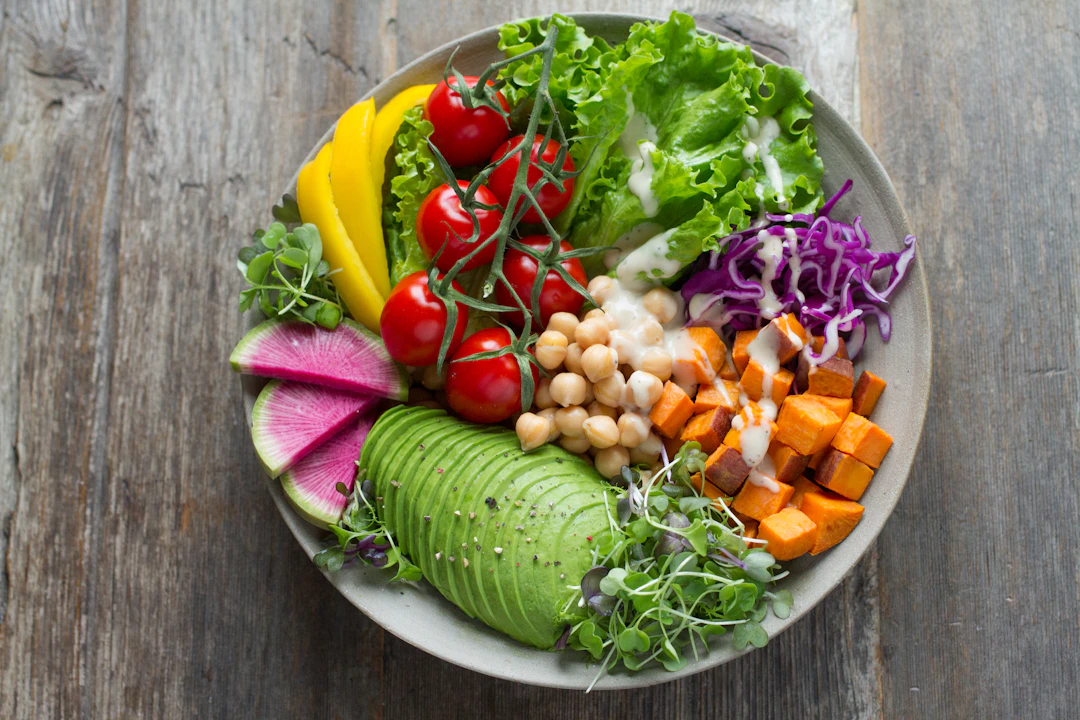
Avocado: Rich in monounsaturated fats, avocado also provides fibre.
Olive Oil: A key component of the Mediterranean diet, it offers anti-inflammatory benefits.
Avoiding Gut Health Killers
Some foods can negatively affect your gut health, partly due to their impact on inflammation and overall wellness. Steering clear of these foods may help improve your digestive health:
Processed Foods: Often high in sugar and refined carbs, they can promote unhealthy bacteria growth.
Excess Sugar: High sugar intake can imbalance gut flora, leading to digestive issues.
Artificial Sweeteners: Some studies suggest that artificial sweeteners might disrupt gut bacteria.
Balancing Your Plate for Hormonal & Digestive Health
Creating balanced meals with the appropriate macronutrients is essential for both hormonal and digestive health. Aim for a combination of:
Proteins: Include lean meats, fish, legumes, and plant-based proteins.
Carbohydrates: Focus on complex carbs like whole grains and starchy vegetables.
Fats: Include sources of omega-3 and monounsaturated fats for hormonal balance.
The patterns established in your eating habits can influence your overall health and well-being. Therefore, exploring nutritional therapy may provide insights for improving your lifestyle further.
Practising Mindful Eating
Mindful eating can significantly enhance digestion and promote better food choices. By being present during meals, you are more likely to tune into your body's hunger signals. Here are some tips for incorporating mindful eating into your routine:
Eat slowly and chew your food thoroughly.
Avoid distractions such as screens during meals.
Pay attention to tastes, textures, and overall satisfaction.
Hydration and Gut Health
Staying adequately hydrated is essential for optimal digestive function. Water plays a critical role in breaking down food and absorbing nutrients. Aim to drink enough water throughout the day, and consider herbal teas for added digestive benefits:
Peppermint Tea: Known for relieving digestive discomfort.
Ginger Tea: Excellent for soothing nausea and promoting digestion.
A Nourishing Lifestyle for Healthy Ageing
Adopting a gut-healthy dietary pattern is fundamental for healthy ageing. Nutritional choices can influence how we age, impacting our energy levels, physical health, and mental well-being. Prioritising your gut health not only encourages digestive health but supports weight management and overall vitality.
For those looking to refine their dietary choices further, it’s beneficial to explore how nutrition directly links with maintaining a healthy weight across your lifespan, emphasising a particular focus on goals that are realistic and sustainable.
Gastronomic Adventures Await
Improving your gut health doesn't have to be boring. Embrace new flavours and textures by experimenting with international cuisines that prioritise gut-friendly ingredients. Explore Middle Eastern dishes incorporating chickpeas and tahini, or delight in a Vietnamese bowl packed with fermented vegetables and fresh herbs. Engaging your taste buds while focusing on nourishing your gut can make the journey towards improved digestive health enjoyable and fulfilling!
Incorporating these practical food ideas into your daily routine can lead to remarkable benefits for your gut health. From nourishing your microbiome with probiotics and prebiotics to embracing a balanced plate that supports hormonal health, every small change adds up. The path to better digestive and overall health is paved with delicious, nutrient-rich food choices. What are you waiting for? Start today, and enjoy the journey to a healthier you!
FAQs
What is gut health and why is it important?
Gut health refers to the balance of microorganisms in the digestive tract, which is crucial for nutrient absorption, immune function, and mood regulation.
What are some good sources of probiotics?
Good sources of probiotics include yogurt, kefir, sauerkraut, and kombucha.
How do prebiotics benefit gut health?
Prebiotics are non-digestible fibres that feed beneficial gut bacteria, enhancing the health of your microbiome.
What foods should I avoid to maintain good gut health?
To maintain good gut health, avoid processed foods, excessive sugar, and artificial sweeteners.
How can mindful eating improve digestion?
Mindful eating enhances digestion by encouraging you to eat slowly, pay attention to your body's hunger signals, and enjoy the flavours and textures of food.
Comments