
Understanding Inflammation: How Your Diet Can Help

Overview
Inflammation is a natural immune response but can become harmful when chronic. This article discusses how diet influences inflammation, highlighting foods that promote it (like processed sugars and trans fats) and those that reduce it (such as fruits, vegetables, and fatty fish). It also covers the importance of nutrition for hormonal balance, weight management, and healthy ageing, suggesting that adopting an anti-inflammatory diet can lead to improved health and wellbeing.
Contents
Inflammation is a natural response by your body to protect itself. It's part of your immune system's way of signalling to the body that something is wrong. While acute inflammation is beneficial, chronic inflammation can lead to a host of health issues, including digestive problems, hormonal imbalances, and weight management challenges. In this article, we'll explore how your diet can play a crucial role in managing inflammation and promoting overall wellness.
What is Inflammation?
Inflammation can be classified into two types: acute and chronic. Acute inflammation is your body’s immediate response to injury or infection, characterised by redness, swelling, and pain. This type of inflammation is essential for healing. On the other hand, chronic inflammation occurs when the immune response continues unchecked, damaging healthy cells and leading to a variety of diseases, including cardiovascular issues, diabetes, and even certain cancers.
The Link Between Inflammation and Your Diet
Your diet significantly influences inflammation levels in your body. Certain foods can trigger inflammation, while others can help reduce it. Understanding the connection between nutrition and inflammation is key to promoting your digestive health, achieving hormonal balance, and supporting healthy ageing.
Foods That Promote Inflammation
To manage inflammation effectively, it’s essential to avoid or limit foods that contribute to the problem. These include:
Processed Sugars: High sugar intake encourages the release of pro-inflammatory substances.
Trans Fats: Often found in fried foods and baked goods, these fats can increase inflammation.
Refined Carbohydrates: White bread and pastries can spike blood sugar levels, leading to inflammation.
Excessive Alcohol: Drinking in moderation is key; excessive alcohol can provoke inflammation.
Processed Meat: Bacon and sausages can contribute to inflammatory markers in the body.
Anti-Inflammatory Foods
Conversely, there are numerous foods known for their anti-inflammatory properties:
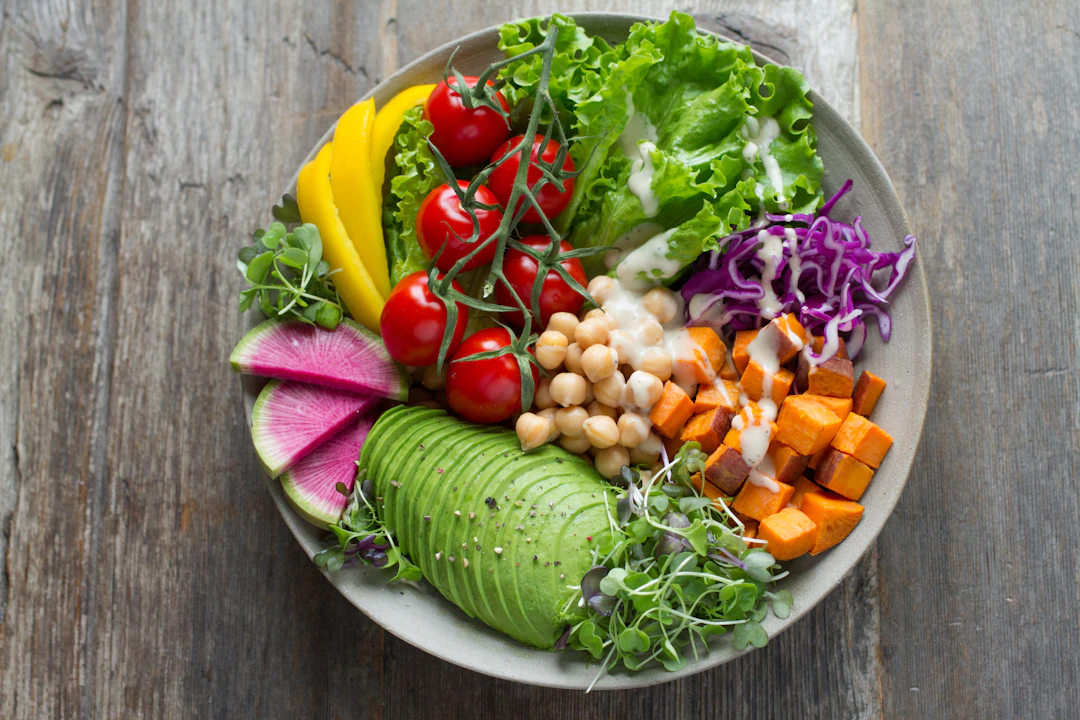
Fruits: Berries, oranges, and cherries are rich in antioxidants that combat inflammation.
Vegetables: Leafy greens like spinach and kale provide a wealth of nutrients and anti-inflammatory compounds.
Fatty Fish: Salmon, mackerel, and sardines are high in omega-3 fatty acids, which are known to reduce inflammation.
Nuts: Walnuts and almonds are not only nutritious but also contribute to lower inflammatory levels.
Whole Grains: Brown rice and quinoa can help combat inflammation due to their high fibre content.
Nutritional Therapy: Your Path to Wellness
Incorporating nutritional therapy into your lifestyle can lead to significant improvements in your health by reducing inflammation through diet. This holistic approach considers your individual needs and challenges and tailors dietary recommendations aimed at your specific health concerns.
Balancing Hormonal Health
Your hormones play a crucial role in regulating many bodily functions and can be significantly impacted by inflammatory processes. Chronic inflammation can disrupt hormonal balance, which can lead to symptoms such as weight gain, fatigue, and mood swings. Incorporating anti-inflammatory foods into your diet can help maintain hormonal health and emotional stability.
Key Nutrients for Hormonal Balance
To support your hormones effectively, focus on the following key nutrients:
Omega-3 Fatty Acids: Known for their anti-inflammatory properties, these can be found in fatty fish and flaxseeds.
Magnesium: Essential for hormone regulation, magnesium-rich foods include leafy greens and nuts.
Vitamin D: Important for hormonal health, it can be sourced from sunlight exposure and fortified foods.
Weight Management and Inflammation
Maintaining a healthy weight is crucial for overall health, and tackling inflammation can be an essential part of this. Chronic inflammation can lead to weight gain and make it more challenging to manage weight effectively. Therefore, adopting an anti-inflammatory diet is crucial for those struggling with weight management.
Strategies for Healthy Weight Management
To achieve effective weight management while combating inflammation, consider these strategies:
Portion Control: Be mindful of portion sizes to avoid overeating.
Regular Meals: Eating at regular intervals can help regulate blood sugar and inflammation.
Meal Prep: Preparing healthy meals ahead of time can reduce reliance on processed foods.
Embracing Healthy Ageing
As we age, our bodies naturally become more susceptible to inflammation and its associated conditions. This makes it imperative to adopt diets aimed at promoting healthy ageing. A well-balanced, anti-inflammatory diet can support longevity, mobility, and overall vitality.
Foods for Healthy Ageing
Integrating these specific food groups into your diet can promote healthy ageing:
Antioxidant-Rich Foods: Foods like spinach, berries, and nuts combat oxidative stress.
Fibre-Rich Foods: Whole grains and legumes support a healthy digestive system.
Hydrating Foods: Foods with high water content, like cucumbers and watermelons, keep you hydrated.
Transforming Your Life Through Nutrition
The journey to combat inflammation through diet is not only about choosing the right foods; it's also about embracing the broader aspects of personalised nutrition and establishing a healthier lifestyle overall. Seeking guidance from a nutritional therapist can provide the tools and knowledge needed to make sustainable changes that support your health.
In conclusion, understanding inflammation and its connection to your diet can empower you to take control of your health. By making informed dietary choices, such as embracing anti-inflammatory foods and avoiding those that trigger inflammation, you can pave the way for improved digestive health, hormonal balance, effective weight management, and ultimately, healthy ageing. Embrace these changes, and experience the remarkable transformations that thoughtful nutrition can bring to your life.
FAQs
What is inflammation?
Inflammation is the body's natural response to protect itself, classified into acute and chronic types. Acute inflammation is the immediate response to injury or infection, essential for healing, while chronic inflammation occurs unchecked, potentially leading to various diseases.
How does diet affect inflammation?
Diet significantly influences inflammation levels, as certain foods can trigger inflammation whereas others can help reduce it. Understanding this connection is crucial for promoting digestive health and overall wellness.
What foods should I avoid to manage inflammation?
To manage inflammation, it's important to limit processed sugars, trans fats, refined carbohydrates, excessive alcohol, and processed meats, as these can contribute to inflammatory responses.
What are some anti-inflammatory foods?
Anti-inflammatory foods include fruits like berries and oranges, leafy greens, fatty fish such as salmon and mackerel, nuts like walnuts and almonds, and whole grains like brown rice and quinoa.
How can I support hormonal balance through my diet?
Supporting hormonal balance can be achieved by incorporating key nutrients like omega-3 fatty acids, magnesium, and vitamin D into your diet, as these have positive effects on hormonal regulation.

Comments