
PCOS and Your Plate: Nutrition for Managing Symptoms

Overview
Polycystic Ovary Syndrome (PCOS) is a hormonal disorder affecting many women, but managing it through a balanced diet can alleviate symptoms. Focus on whole foods, lean proteins, complex carbohydrates, healthy fats, and plenty of fruits and vegetables. Nutritional therapy, mindful eating, and regular physical activity are essential for weight management and overall health. Additionally, managing stress and supporting digestive health are crucial for hormonal balance. Embracing a nutrition-focused approach empowers women with PCOS to enhance their wellbeing and promote healthy ageing.
Contents
Polycystic Ovary Syndrome (PCOS) is a complex hormonal disorder that affects many women throughout their reproductive years. From irregular periods to weight management issues and emotional turbulence, life with PCOS can often feel overwhelming. However, one of the most effective ways to manage the symptoms associated with this condition is through a well-structured diet and nutritional therapy. In this article, we will explore various nutrition tips that can help improve hormonal health, support digestive health, and promote healthy ageing while managing weight effectively for those with PCOS.
Understanding the Role of Nutrition in PCOS
Your diet plays a crucial role in managing PCOS symptoms. Nutritional therapy aims to provide a personalised approach centred around whole foods that support hormonal balance and offer all the nutrients your body needs. Studies have shown that specific dietary choices can significantly impact PCOS symptoms, including insulin resistance, which affects approximately 50% to 70% of women with the condition.
Incorporating a balanced diet rich in whole foods can facilitate weight management—a common concern for women suffering from PCOS. It not only helps control weight but also supports overall hormonal health, stabilises blood sugar levels, and promotes emotional wellbeing.
The Importance of a Balanced Plate
When you think about your plate, aim for balance. Here are some key components to include for optimal health management in PCOS:
Lean Proteins: Incorporate sources such as chicken, turkey, fish, and plant-based proteins like beans and lentils. These support muscle maintenance and contribute to weight management.
Complex Carbohydrates: Opt for whole grains, brown rice, quinoa, and oats. These are rich in fibre and help stabilise blood sugar levels.
Healthy Fats: Include avocados, nuts, seeds, and olive oil for hormonal health. Omega-3 fatty acids found in fish like salmon can also help with inflammation.
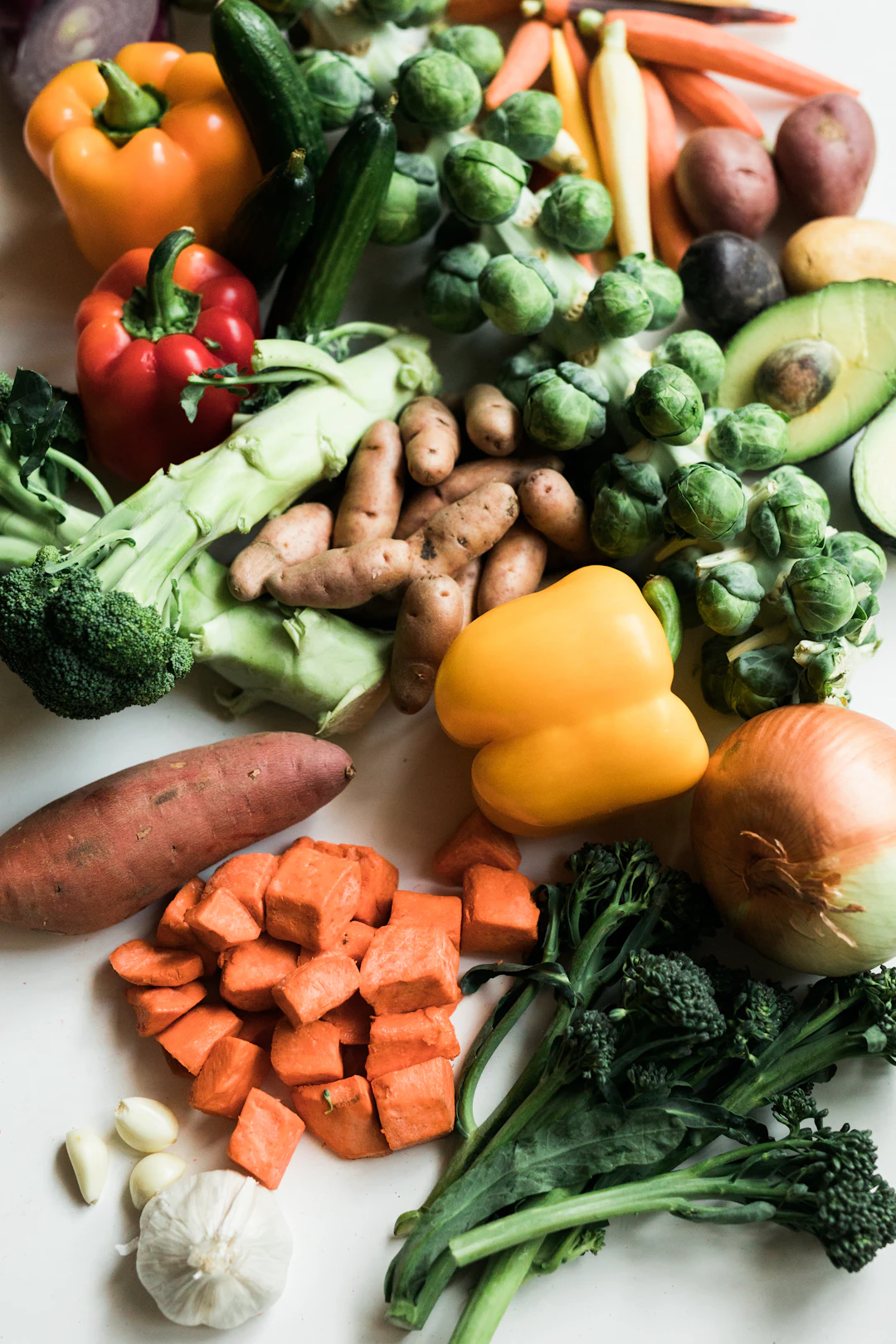
Fruits and Vegetables: Aim for a variety of colours on your plate. Each offers different antioxidants and nutrients vital for healthy ageing and overall wellbeing.
Focusing on Nutritional Therapy for PCOS
Nutritional therapy is a vital aspect of managing PCOS effectively. It encourages a whole-person approach that considers not just the food you eat but how you eat. Mindful eating practices can lead to improved digestive health and better weight management. Combine these practices with the right nutrients, and you can transform how your body reacts to PCOS symptoms.
If you're interested in learning more about how a whole-person approach can enhance your health, read our comprehensive guide on Understanding Nutritional Therapy.
The Connection Between Blood Sugar and PCOS
Women with PCOS often experience insulin resistance, leading to higher blood sugar levels. Elevating your intake of complex carbohydrates and fibre can help regulate insulin levels. Furthermore, incorporating foods with a low glycaemic index (GI) can prevent spikes in blood sugar.
Examples of low-GI foods include sweet potatoes, legumes, whole grains, and most fruits and vegetables. Avoiding sugary snacks and beverages can also make a significant difference in your overall health and wellbeing.
Weight Management Strategies
For many women with PCOS, weight gain can be a frustrating aspect of the condition. Engaging in proactive weight management strategies can be empowering. Here are some tips:
Go for Regular Meals: Eating smaller, balanced meals throughout the day can maintain stable energy levels and prevent overeating.
Stay Active: Incorporate regular physical activity into your routine. A mix of strength training and cardiovascular exercise can effectively aid in weight management.
Stay Hydrated: Drinking plenty of water helps with digestion and can curb unnecessary snacking.
Consider visiting our blog for more insight into sustainable practices: Weight Management Strategies.
Revitalising Digestive Health
Digestive health plays a crucial role in overall health, especially for women suffering from PCOS. A balanced gut is foundational for hormonal balance and emotional wellbeing. Probiotics, found in fermented foods such as yogurt, sauerkraut, and kombucha, can bolster your gut flora, enhancing digestive health.
Additionally, ensure you are getting enough dietary fibre through fruits, vegetables, and whole grains to promote gut health and prevent constipation. Regularly consuming a varied diet rich in nutrients will enhance your overall vitality and energy levels.
Managing Stress Through Nutrition
Stress management is an often-overlooked aspect of managing PCOS. High-stress levels can lead to hormonal imbalances, exacerbating PCOS symptoms. Nutrition can play a pivotal role in how your body manages stress.
Incorporate foods that are high in vitamin C, magnesium, and omega-3 fatty acids, all known for their stress-reducing properties. Foods such as oranges, spinach, fatty fish, and nuts can be excellent additions to your diet for enhanced hormonal health.
Want to dive deeper into how to manage stress through nutrition? Visit our post on Managing Stress Through Nutrition.
The Path to Healthy Ageing
Nurturing your body with nutrition also lays the groundwork for healthy ageing. Women with PCOS may face additional risks in terms of metabolic syndrome and other long-term health issues. However, by adopting a lifestyle focused on holistic nutrition, you're investing in your future health.
Your nutritional choices not only affect your present hormones but also influence how you age. Integrating antioxidant-rich foods, healthy fats, and ample hydration can help you thrive as you age, reducing the risks of inflammation and related diseases.
To explore more about the secrets to healthy ageing through nutrition and lifestyle choices, check out our comprehensive guide on The Science Of Healthy Ageing.
Your Recipe for Good Health
While PCOS may present unique challenges, embracing a nutrition-focused approach can empower you to take control of your health and wellbeing. It’s about more than just food; it’s about fostering a lifestyle that promotes balance and harmony within your body. By prioritising hormonal health, digestive health, and effective weight management, you can pave the way toward a healthier and happier life.
Remember, nutritional therapy isn’t a one-size-fits-all solution. Each individual will require a tailored approach based on their needs, preferences, and unique health considerations. With dedication and commitment, you can cultivate a nourishing environment for your body, leading to improved health and vitality.
So, next time you prepare your plate, remember that it's not just about food; it's a step towards a healthier, happier you! Embrace the journey of wellness and discover how nourishing your body can be the ultimate act of self-care.
FAQs
What is Polycystic Ovary Syndrome (PCOS)?
Polycystic Ovary Syndrome (PCOS) is a complex hormonal disorder affecting many women during their reproductive years, characterised by symptoms such as irregular periods, weight management issues, and emotional turbulence.
How can nutrition help manage PCOS symptoms?
A well-structured diet can significantly improve hormonal health, support digestive health, and promote healthy ageing while aiding in effective weight management for women with PCOS.
What are the key components of a healthy plate for managing PCOS?
A balanced plate for managing PCOS should include lean proteins, complex carbohydrates, healthy fats, and a variety of fruits and vegetables to support overall health.
What role does blood sugar regulation play in PCOS management?
Regulating blood sugar levels is crucial for women with PCOS, as many experience insulin resistance. Consuming complex carbohydrates and low glycaemic index foods can help prevent spikes in blood sugar.
How does stress affect PCOS and what nutritional strategies can help?
High-stress levels can exacerbate hormonal imbalances in PCOS. Incorporating foods rich in vitamin C, magnesium, and omega-3 fatty acids can help manage stress effectively.


Comments