
Menopause and Nutrition: Supporting Your Body Through Change

Overview
Menopause marks the end of a woman's reproductive years and brings various changes that can affect daily life. Nutritional therapy can help ease symptoms and enhance well-being by focusing on hormonal health, digestive health, weight management, and healthy ageing. Key dietary strategies include consuming phytoestrogens, high-fibre foods, and antioxidant-rich items, along with staying active and planning balanced meals. Embrace this transition positively by nurturing your body with the right nutrients.
Contents
Menopause is a significant phase in a woman's life, marking the end of her reproductive years. This transition can bring about a multitude of changes, from hormonal fluctuations to modifications in physical health. As such, it can significantly impact how you feel on a day-to-day basis. To ensure a smoother transition, it’s essential to focus on Nutritional Therapy that supports your body through these changes. In this article, we will explore how proper nutrition can enhance your Digestive Health, Hormonal Health, aid in Weight Management, and promote Healthy Ageing.
Understanding Menopause
Menopause typically occurs between the ages of 45 and 55, characterised by irregular menstrual cycles culminating in the complete cessation of periods. During this phase, you may experience symptoms like hot flashes, night sweats, mood changes, and weight gain due to the decrease in oestrogen levels. These symptoms highlight the vital need for Nutritional Therapy tailored to meet the unique needs of women during this time.
The Role of Nutrition in Menopause
Your dietary choices play a crucial role during menopause. With the right nutrition, you can alleviate symptoms, support your hormonal balance, and improve your overall well-being. Here are several key areas where nutrition can make a significant impact:
1. Hormonal Health
Hormones can greatly affect your mood, energy levels, and even your weight during menopause. Consuming foods that support Hormonal Health is essential. Focus on:
Phytoestrogens: Foods like soy, flaxseeds, and legumes can help mimic oestrogen, potentially easing symptoms.
Healthy Fats: Avocados, nuts, and olive oil can support hormone production and reduce inflammation.
Whole Grains: Quinoa, brown rice, and oats can stabilise blood sugar levels, reducing mood swings.
For a deeper understanding on how nutrition impacts hormonal balance, explore our blog on Hormonal Health 101.
2. Digestive Health
As your hormone levels change, so can your digestive health. Many women experience bloating, constipation, or other digestive issues during menopause. Here are ways to promote Digestive Health:
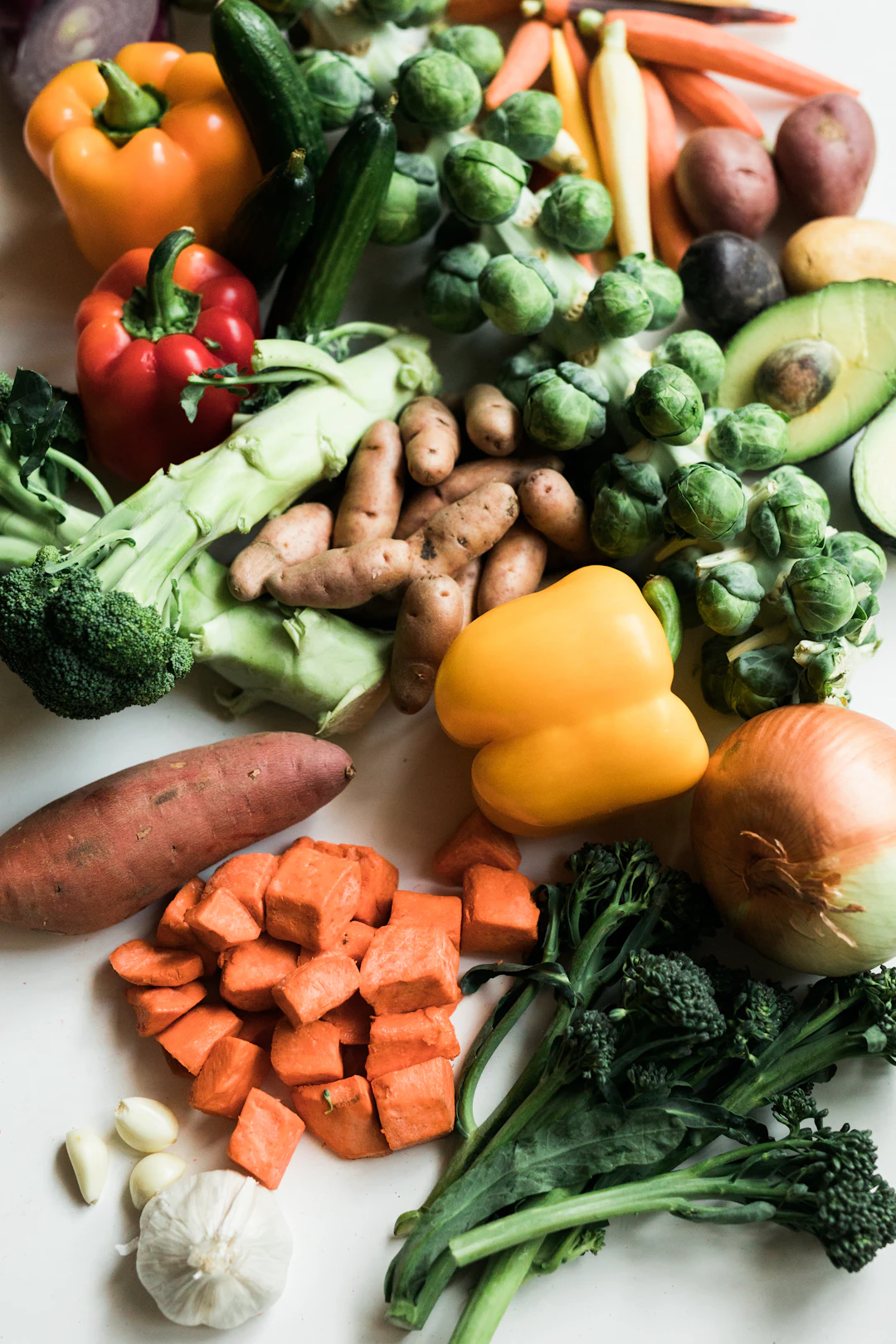
High-Fibre Foods: Incorporate fruits, vegetables, and whole grains to improve digestion and prevent constipation.
Probiotics: Yogurt, kefir, and fermented foods can support a healthy gut microbiome.
Stay Hydrated: Drinking plenty of water aids digestion and reduces discomfort.
3. Weight Management
Weight gain is a common concern during menopause, primarily due to hormonal changes and a slower metabolism. Thus, maintaining a healthy weight becomes a priority for many women. Consider these strategies for effective Weight Management:
Balanced Meals: A well-rounded diet rich in nutrients can help you maintain energy levels and prevent weight gain.
Regular Exercise: Combine strength training with cardio to boost metabolism and maintain muscle mass.
Mindful Eating: Pay attention to hunger cues and avoid emotional eating, which can lead to unnecessary weight gain.
For more on sustainable weight management strategies, visit our article on Weight Management Strategies.
4. Healthy Ageing
The menopause transition ultimately leads to ageing, making Healthy Ageing a fundamental aspect of your nutritional strategy. Certain foods can help you not only manage current symptoms but also promote long-term health:
Antioxidant-Rich Foods: Berries, leafy greens, and nuts protect your cells and promote overall health.
Omega-3 Fatty Acids: Fatty fish, chia seeds, and walnuts may support brain health and reduce depression risk.
Calcium and Vitamin D: Crucial for bone health, these nutrients can be found in leafy greens, dairy products, and fortified foods.
For additional insights into nutrition and longevity, check out our informative blog on The Science Of Healthy Ageing.
Practical Nutritional Tips for Thriving During Menopause
By adapting your diet and lifestyle to your body’s needs during menopause, you can significantly improve your quality of life. Here are practical tips that can make a difference:
Plan Your Meals: Organise meal plans that incorporate a variety of foods, ensuring you get a balanced nutrient profile.
Cook at Home: Preparing your meals allows you to control the ingredients and avoid hidden sugars and unhealthy fats.
Stay Active: Incorporate daily activities, whether it's yoga, walking, or gym workouts to keep your body strong and energetic.
Connect with Others: Share experiences with friends, family, or support groups regarding your journey through menopause.
Final Thoughts: Embrace the Transition with Nutrition
Navigating menopause is undoubtedly challenging, but with the right nutritional strategy, it can become a period of empowerment and transformation. Embracing Nutritional Therapy tailored to your body's needs will not only support your Digestive Health and Hormonal Health but also play an integral role in effective Weight Management and Healthy Ageing. Remember that this is a natural transition, and treating your body with the right nutrients will set you on the path to thriving in this significant stage of life. By focusing on balanced meals, staying active, and prioritising self-care, you can transform your experience into a positive one. Choose to nurture your body today for a better tomorrow!
FAQs
What is menopause and when does it typically occur?
Menopause is a significant phase in a woman's life that marks the end of her reproductive years, typically occurring between the ages of 45 and 55.
How can nutrition impact hormonal health during menopause?
Proper nutrition can support hormonal health by including phytoestrogens, healthy fats, and whole grains, which may alleviate symptoms and improve mood.
What strategies can help with weight management during menopause?
Effective weight management strategies during menopause include balanced meals, regular exercise, and mindful eating to prevent unnecessary weight gain.
Why is digestive health important during menopause?
Digestive health can be affected during menopause, making it crucial to incorporate high-fibre foods, probiotics, and hydration to promote digestion.
What are some practical nutritional tips for women going through menopause?
Practical tips include planning meals for balanced nutrition, cooking at home for ingredient control, staying active, and connecting with others for support.

Comments