
Unlocking Radiance: Nutrition for Optimal Skin Health

Overview
Nutrition is essential for healthy skin, and a balanced diet rich in vitamins, minerals, and antioxidants can enhance your complexion. Nutritional Therapy focuses on individual dietary needs to improve skin health and overall wellbeing. Key nutrients include Vitamin C, E, Zinc, and Omega-3 fatty acids. Hydration and gut health are also crucial, as is managing stress through nutrition. Gradual dietary changes can lead to a radiant and youthful appearance.
Contents
In today's fast-paced world, maintaining a radiant and healthy complexion can be a challenge. While skincare products often dominate the beauty conversation, the truth is that nutrition plays a pivotal role in promoting skin health. Understanding how Nutritional Therapy can help you achieve both healthy skin and overall wellbeing is key to unlock that glow from within. Let's dive deep into how a balanced diet can provide your skin with the nourishment it craves.
The Connection Between Diet and Skin Health
The skin is the body's largest organ, and what we eat directly impacts its condition. A diet rich in essential vitamins, minerals, and antioxidants can make all the difference between dull, tired skin and a vibrant complexion. Here are a few vital nutrients that contribute significantly to skin health:
Vitamin C: Important for collagen production, vitamin C helps improve skin elasticity and brightness.
Vitamin E: This antioxidant shields the skin from oxidative stress and helps retain moisture.
Zinc: Crucial for skin repair and reduces inflammation, making it helpful for acne-prone skin.
Omega-3 fatty acids: Found in fish, flaxseeds, and walnuts, these fats help maintain skin hydration.
Balancing these nutrients is essential not just for appearance but also for Digestive Health, which is closely linked to the skin. An unhappy gut can manifest as bloating, discomfort, and skin issues. Therefore, focusing on gut health through diet can yield visible improvements in your skin.
The Role of Nutritional Therapy
Nutritional Therapy takes a comprehensive approach to health, recognising the interconnectedness of various body systems. This methodology involves addressing individual dietary needs and patterns to promote optimal health. Not only does it encourage the consumption of nutrient-rich foods, but it also seeks to identify and eliminate foods that could be negatively impacting your skin health.
For instance, food intolerances can lead to inflammation which may trigger skin problems such as eczema or acne. By identifying these through a tailored dietary plan, you can restore balance and see improvements not only in your skin but also in your overall health.
To learn more about how you can benefit from nutritional therapy, consider seeking advice from a qualified practitioner who can help you develop a strategy that suits your individual lifestyle and health challenges.
Nourishing Your Skin from Within
To promote a beautiful complexion, it's essential to consume a wide variety of foods. Here’s a list of food categories that can enhance your skin health:
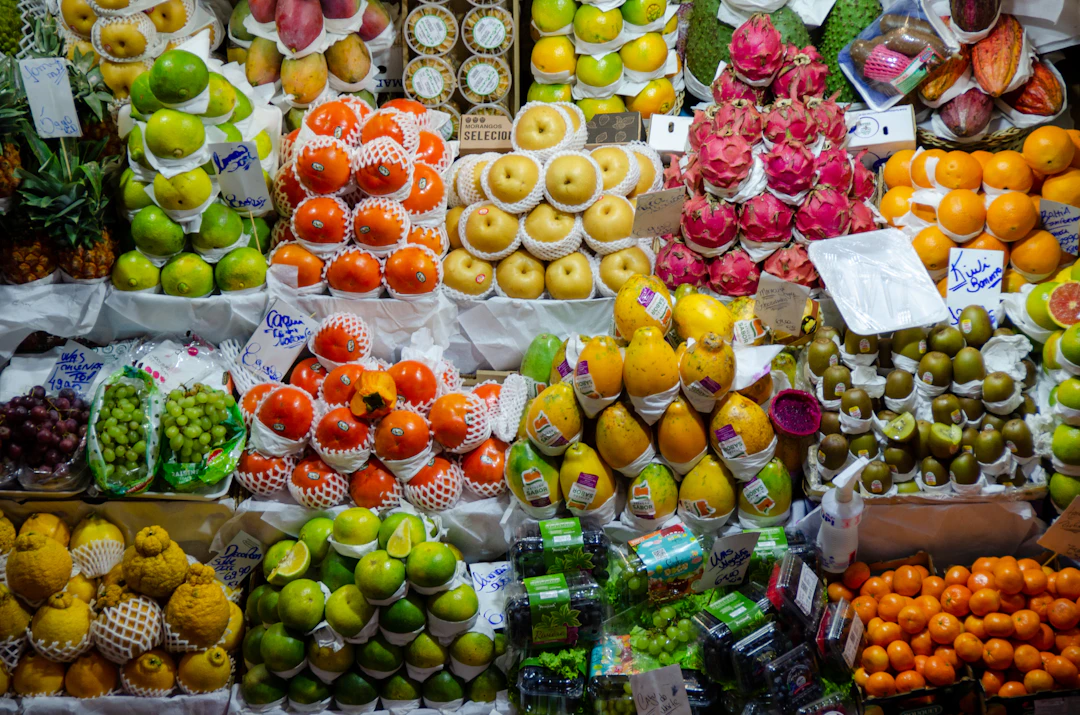
Fruits and Vegetables: Aim for a rainbow of colours. Berries, citrus fruits, and leafy greens are excellent choices that provide antioxidants.
Nuts and Seeds: Almonds, chia seeds, and pumpkin seeds promote skin hydration and provide healthy fats.
Whole Grains: Quinoa, brown rice, and oats are great sources of fibre and can help with Weight Management as well.
Fermented Foods: Yogurt, kefir, and kimchi encourage beneficial gut bacteria, thus improving Digestive Health.
Incorporating these foods into your diet should be effortless and enjoyable. Simple recipes and meal prep can help ease the transition into a healthier eating pattern that supports both your skin and your overall health.
The Importance of Hydration
Along with nutrient intake, staying hydrated is paramount for skin health. Water helps maintain elasticity and promotes optimal cellular function. Dehydrated skin can lead to fine lines and an uneven skin tone. While the recommended daily water intake can vary, a good rule of thumb is to aim for at least eight cups a day.
In addition to water, consuming hydrating foods such as cucumbers, watermelon, and oranges can be beneficial. Herbal teas and broths can also count towards your daily fluid intake.
A Holistic Approach to Hormonal Health
Hormones play a significant role in determining the condition of your skin. From menstrual cycles to menopause, fluctuations can trigger breakouts, dryness, or sensitivity. By practising good nutrition focused on Hormonal Health, you can manage these changes effectively.
Take, for example, menopause. Women may experience a decline in collagen and moisture, leading to dry and sensitive skin. Incorporating foods rich in phytoestrogens, such as soy products, flaxseeds, and whole grains, can support hormonal balance and mitigate these skin changes.
Ageing Gracefully
Healthy Ageing is about more than just the physical appearance of your skin; it encompasses your overall wellbeing. Antioxidant-rich foods can help fend off signs of ageing and promote cellular repair. Consuming a diet rich in these nutrients can support not just your skin, but your entire body.
To delve deeper into the intricacies of Healthy Ageing, feel free to explore further with helpful advice in this article: The Science Of Healthy Ageing Nutrition And Lifestyle Advice. This resource offers insights into enhancing longevity while maintaining health.
Managing Stress Through Nutrition
Stress is often an overlooked factor when discussing skin health. Increased cortisol levels can trigger hair loss, acne, and other skin conditions. Therefore, managing stress effectively through nutrition can improve not just mental wellbeing, but skin vitality as well.
Incorporating calming foods, such as those high in omega-3 fatty acids or magnesium-rich options such as dark chocolate and leafy greens, can mitigate stress levels while being beneficial for your skin.
To discover some practical tips on managing stress, you can refer to Managing Stress Through Nutrition, where you’ll find helpful strategies that help support both your mental state and skin health.
Your Journey Towards Glowing Skin
Embracing a nutritious diet, alongside skincare routines, can lead to a transformation that showcases your skin's natural radiance. The interplay of Weight Management, hydration, and nutrient intake builds a foundation for skin that appears youthful and vibrant.
Remember, dietary changes should be gradual. Start by making small adjustments; perhaps increase your fruit and vegetable intake or swap your evening snack for a handful of nuts. Over time, these changes will lead you to uncover your skin’s true potential.
Lastly, surround yourself with continuous learning and support. Engaging with like-minded individuals and professionals in the field of health and nutrition can pave your journey toward comprehensive well-being, while enhancing your skin health ever-so-glowingly.
FAQs
What is the relationship between diet and skin health?
Diet significantly impacts skin health, as the nutrients we consume can influence the skin's condition, making it vital to eat a balanced diet rich in vitamins, minerals, and antioxidants.
How can Nutritional Therapy improve skin health?
Nutritional Therapy can identify individual dietary needs and eliminate foods negatively affecting skin health, promoting better overall wellbeing and improved skin conditions.
What foods are beneficial for maintaining healthy skin?
Foods rich in antioxidants such as fruits and vegetables, healthy fats from nuts and seeds, whole grains, and fermented foods can all enhance skin health.
Why is hydration important for skin health?
Hydration is crucial as it helps maintain skin elasticity and promotes optimal cellular function, reducing the chances of fine lines and uneven skin tone.
How does stress affect skin health?
Increased stress levels can lead to higher cortisol production, which may trigger acne and other skin issues; managing stress through nutrition can therefore improve skin vitality.

Comments